Warranty Backed
Basement Wall Repair & Wall Stabilization
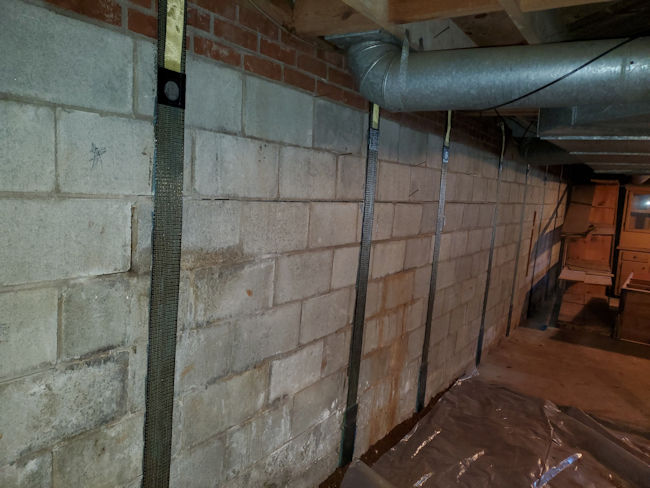
At United Structural Repair, we stabilize basement walls with proven solutions, including wall anchors, wall bracing, and carbon fiber reinforcement, along with targeted crack repair strategies when appropriate.
Warranty Backed
Basement Wall Repair & Wall Stabilization
At United Structural Repair, we stabilize basement walls with proven solutions, including wall anchors, wall bracing, and carbon fiber reinforcement, along with targeted crack repair strategies when appropriate.
Warranty Backed
Basement Wall Repair & Wall Stabilization
At United Structural Repair, we stabilize basement walls with proven solutions, including wall anchors, wall bracing, and carbon fiber reinforcement, along with targeted crack repair strategies when appropriate.
A basement wall that’s cracking, bowing, or leaning isn’t something you want to “wait and see.” These signs often mean the wall is under pressure and slowly moving. The good news: many basement wall issues can be stabilized without tearing out the entire wall.
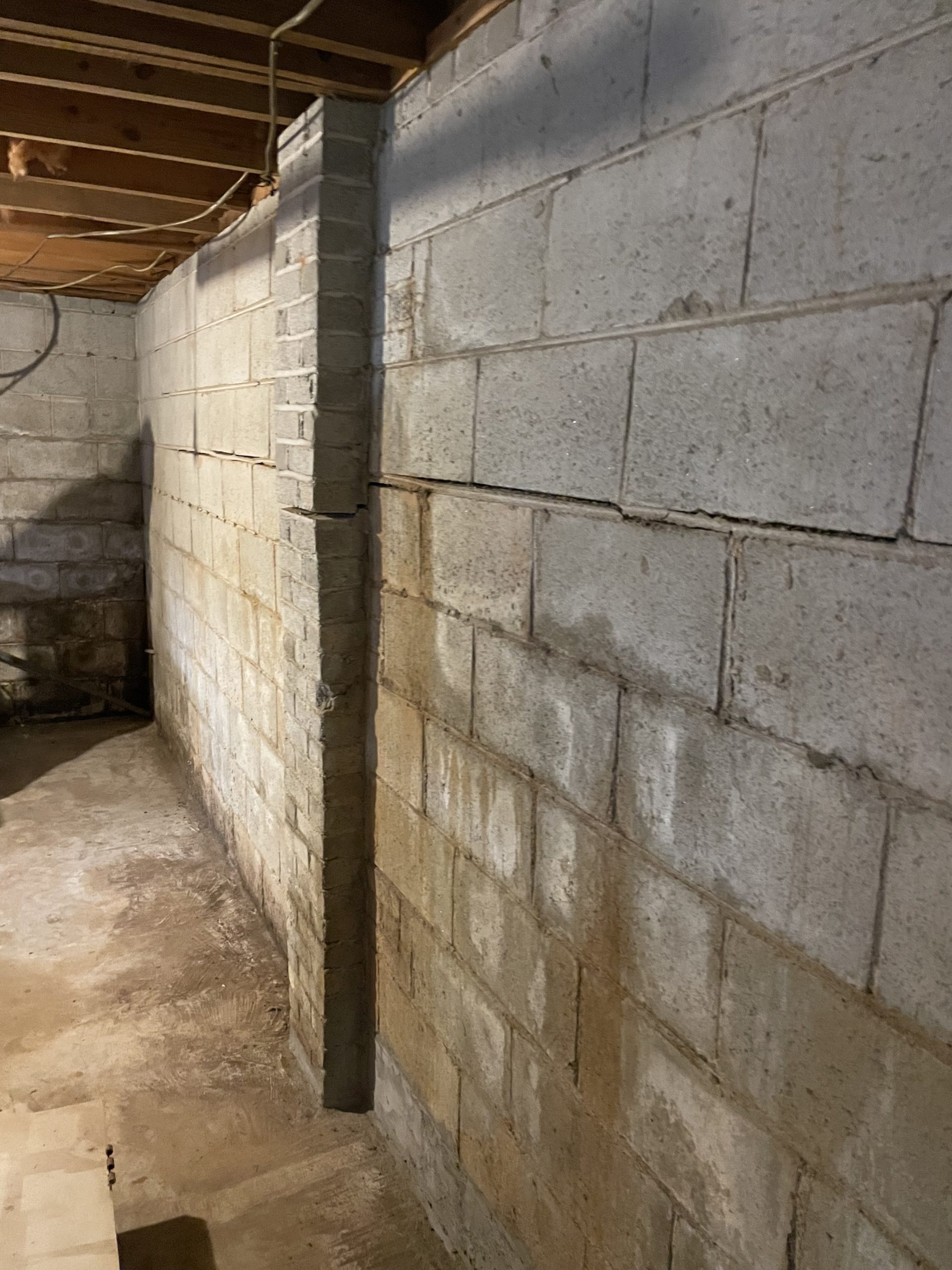
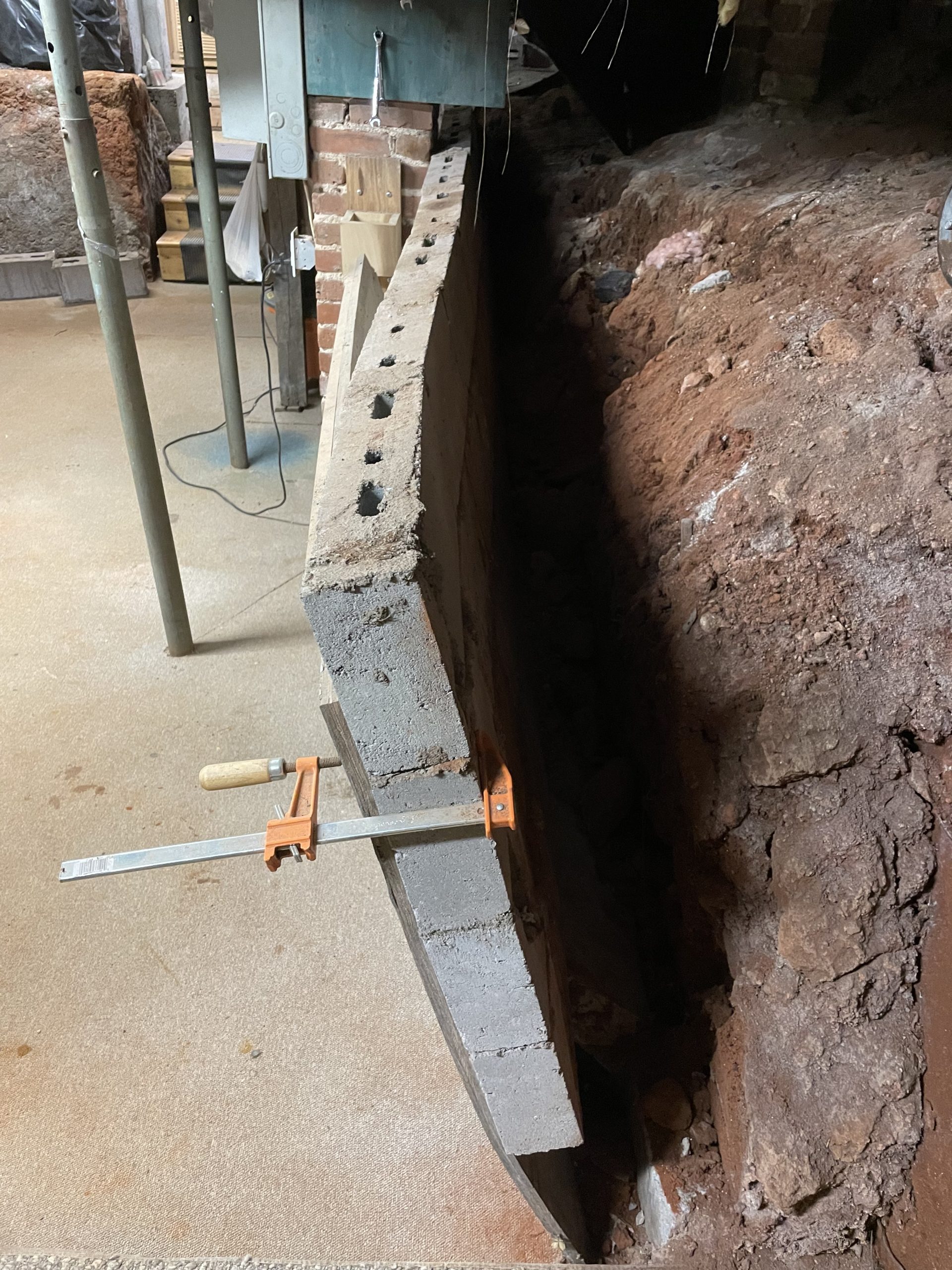
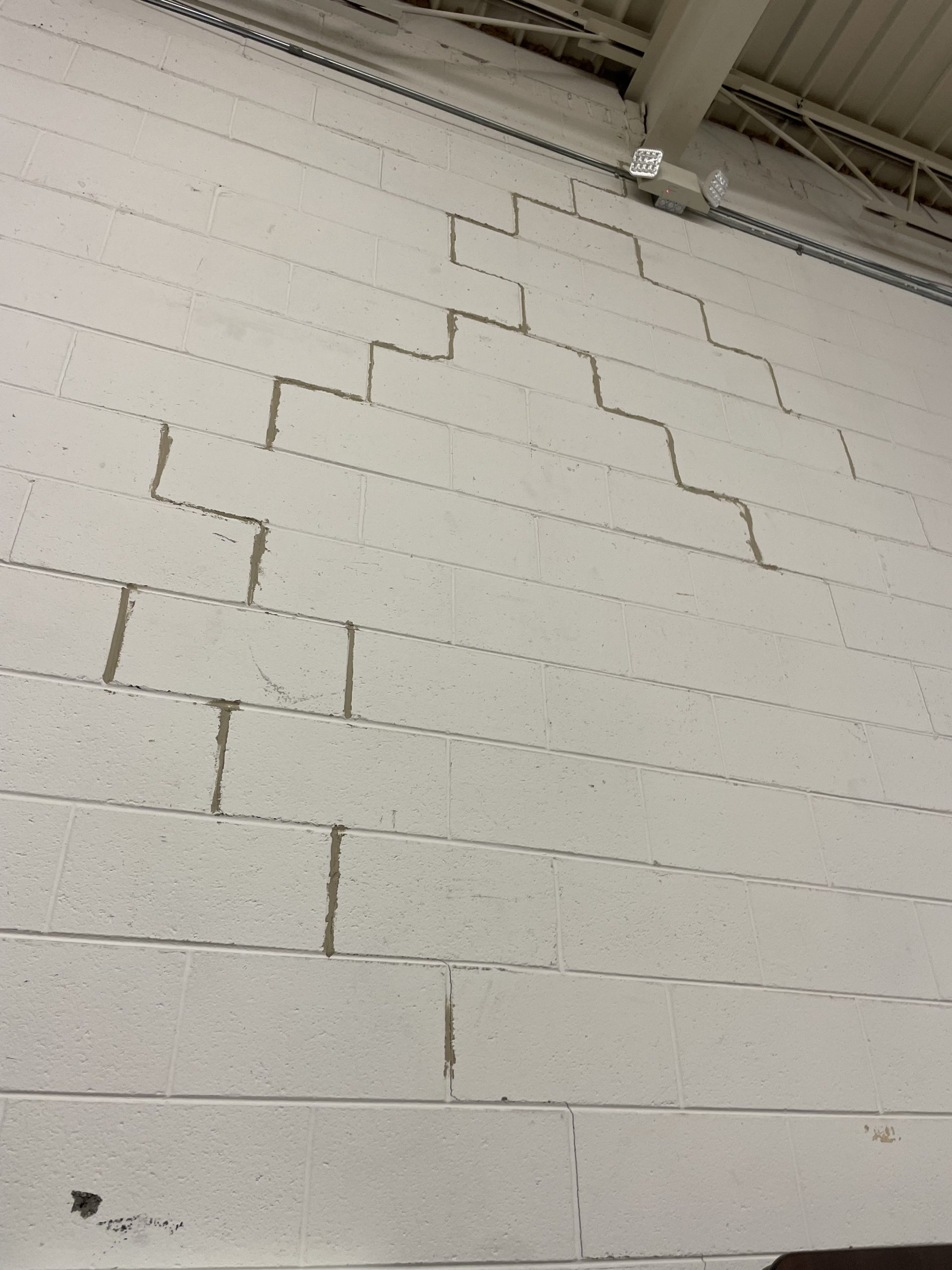
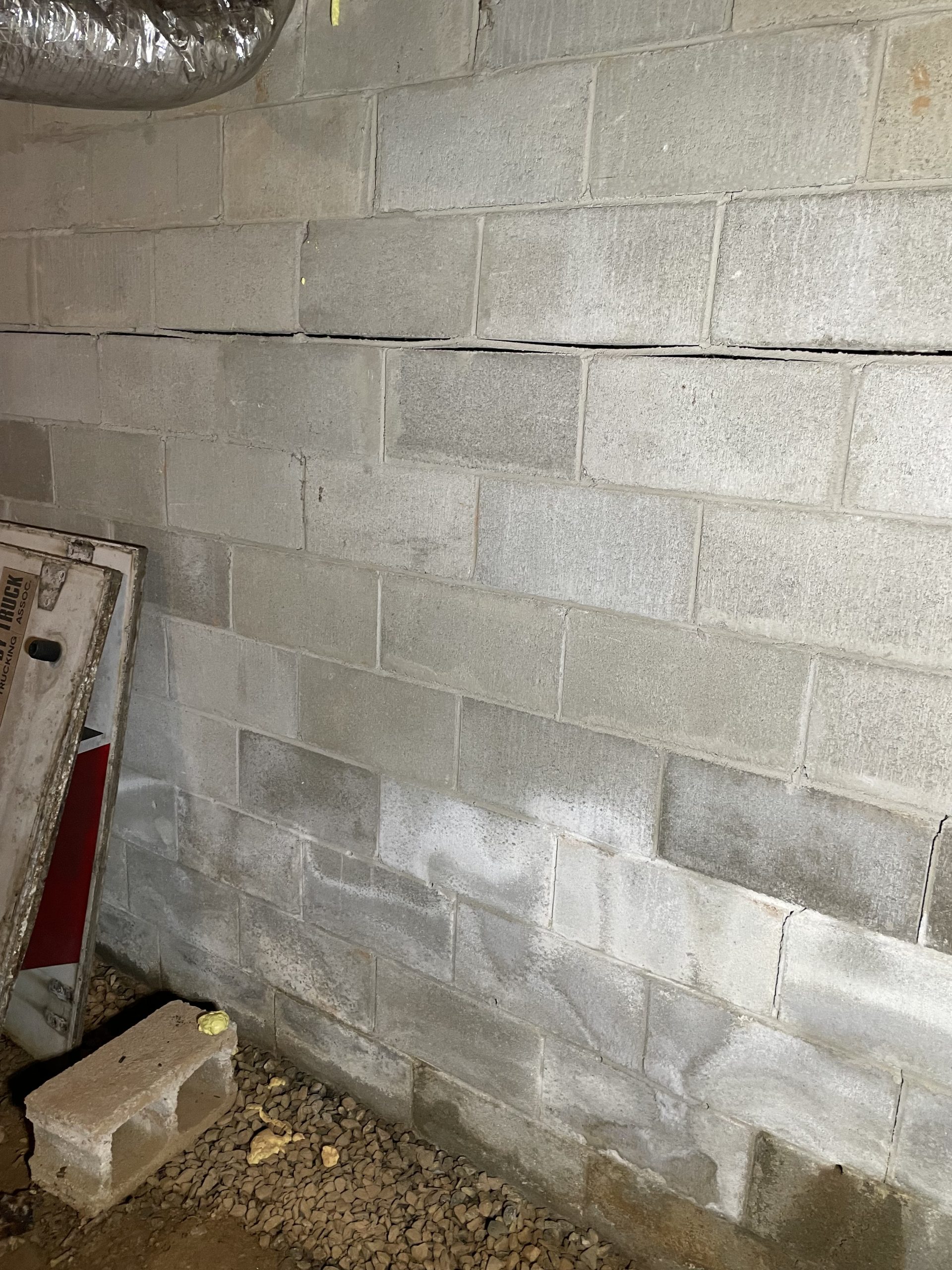
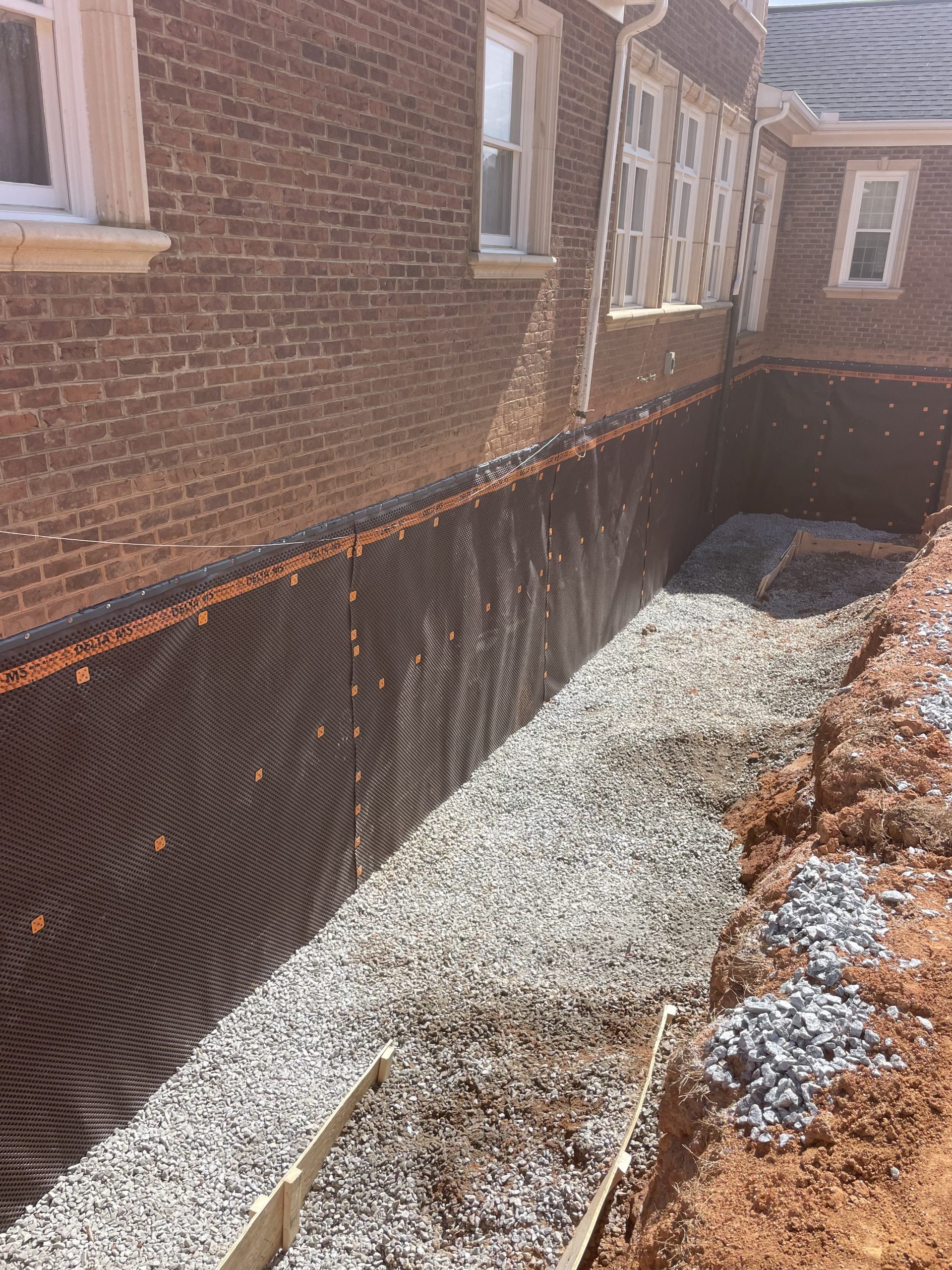
There are many ways a basement wall can fail, and just as many ways to repair one. The right solution depends entirely on what’s actually happening, which is why understanding the symptoms matters before jumping to fixes.


What Causes Basement Walls to Bow or Crack?
Your basement walls are doing a significant job, holding back tons of soil, managing groundwater, and supporting the structure above. When they start to fail, they usually give you warning signs first.
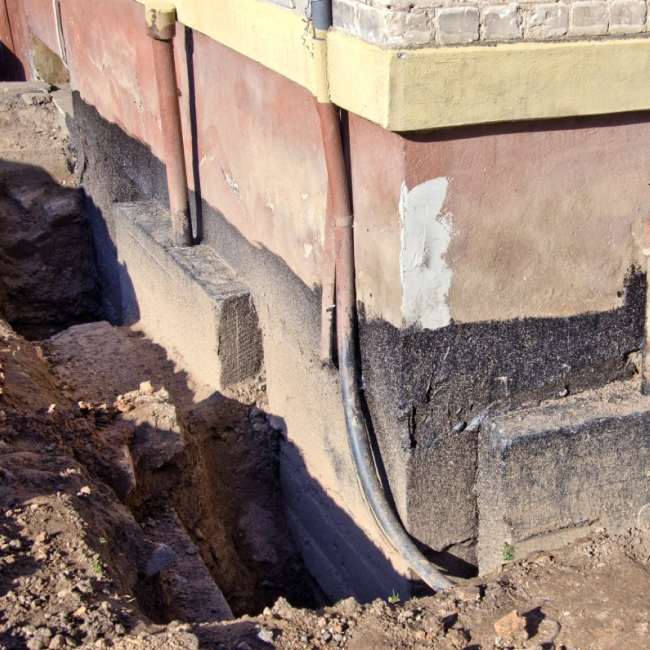
Basement walls usually move because of pressure from the outside. Over time, soil expands and pushes against the wall, especially with moisture changes, poor drainage, or certain soil conditions. Once a wall begins to move, the cracks and bowing often become more noticeable.
Common Signs Homeowners Notice And What Typically Causes It:
Sagging, Uneven, or Bouncy Floors
Most homeowners don’t call because they “noticed a joist issue.” They call because the house starts feeling off.
If your floors feel soft, slope in one direction, or bounce when you walk, you’re not imagining it. These symptoms usually mean the structure underneath is no longer supporting the floor system evenly. The sooner it’s addressed, the easier it is to stabilize and prevent further movement.
Common Signs Homeowners Notice And What Typically Causes It:
floors that dip, slope, bounce, feel uneven or springy when walking
Typically caused by undersized or overstressed framing and damaged, cracked, or sagging joists.
soft spongy floor areas, squeaks, or visible floor waviness
This is often due to weak or shifting support beams / girders.
Our Basement Wall Repair Process
Step 1 – Inspection & Measurements
We identify crack patterns, wall movement, and the best stabilization path.
Step 2 – Recommend the Right Solution
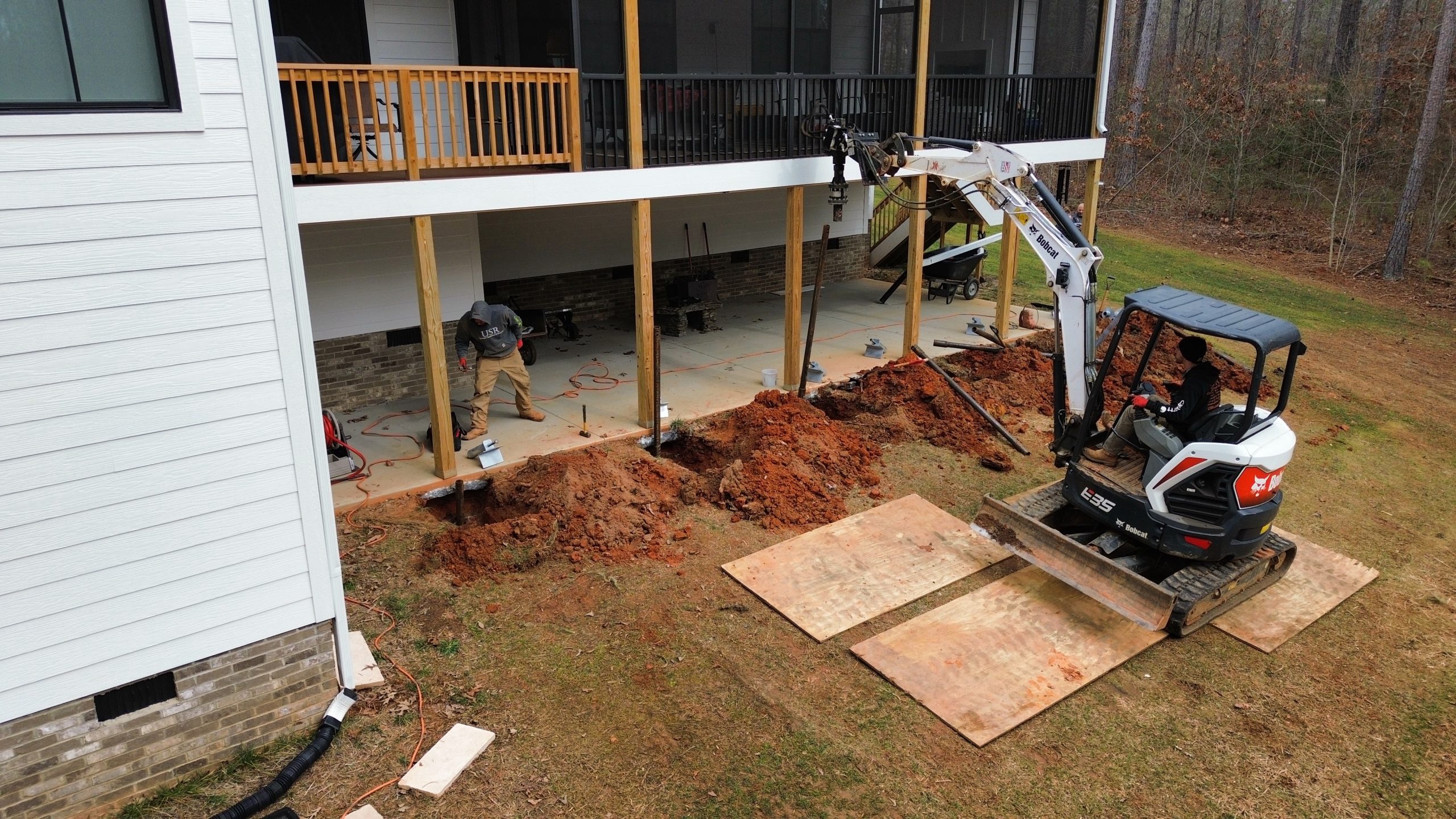
Bracing, helical or deadman tieback, i-beam and carbon fiber solutions are provided based on what your wall is doing.
Step 3 – Stabilize & Reinforce
Clean installation, clear expectations, and a long-term repair strategy.
Basement Wall Repair FAQs
Yes. A wall can tilt inward at the top connection without an obvious crack pattern.
If the wall is still moving, cosmetic patching can fail. Stabilization may be needed.
Often settlement, but multiple or crossing stair-step cracks can indicate pressure and movement.
It can be. Horizontal cracks often indicate lateral pressure and wall movement and should be evaluated promptly.
Some thin, flush vertical cracks can be normal. Widening or offset cracks should be inspected.