



864-527-6330

Call For Quicker Scheduling

Our Regional Divisions

Our Regional Divisions

Water Intrusion2026-04-07T12:57:32-04:00

How We Fix The Problem

  • 1

    You Receive A Free Inspection

  • 2

    We Diagnose The Real Issue

  • 3

    We Install A Permanent Solution

How We Fix The Problem

  • 1

    You Receive A Free Inspection

  • 2

    We Diagnose The Real Issue

  • 3

    We Install A Permanent Solution

Basement Water Intrusion: What’s Causing It and How to Fix It

Water finding its way into your basement is common and often misdiagnosed. The right fix depends on where the water is coming from and how it’s getting in. Treating the symptom without confirming the entry point is why so many “waterproofing” jobs don’t hold.

Water intrusion isn’t automatically structural wall failure. But it does mean your waterproofing system is failing, and the longer moisture stays against a foundation wall, the more risk you create for deterioration, increased soil pressure, and future structural problems.

Quick “what should I do first?”

  • Water only after heavy rain → often surface drainage / grading / downspouts
  • Water even when it hasn’t rained → groundwater / water table / hydrostatic pressure
  • Water at the base of the wall → wall-floor joint seepage
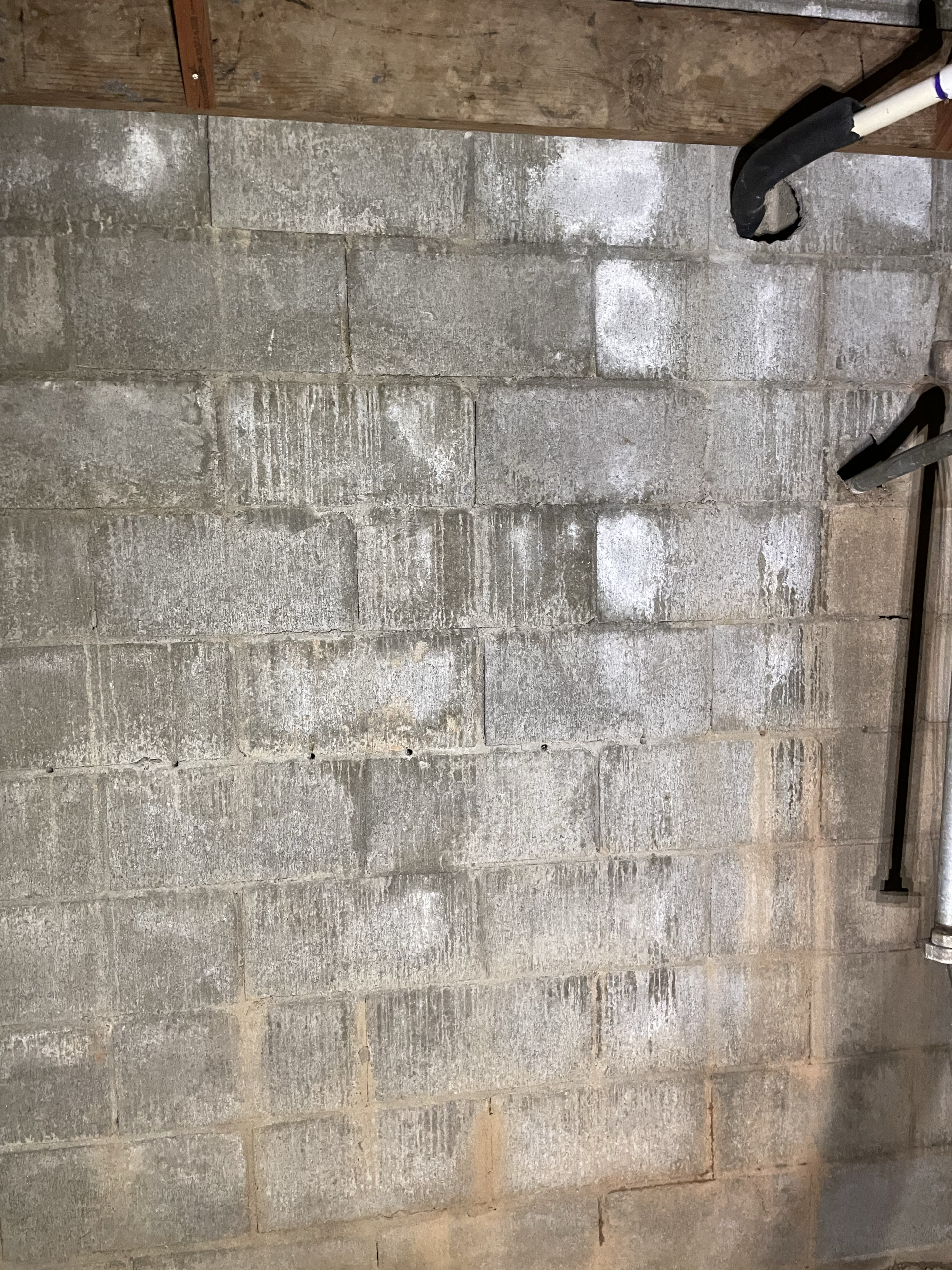
  • White powder on walls (efflorescence) → water moving through masonry
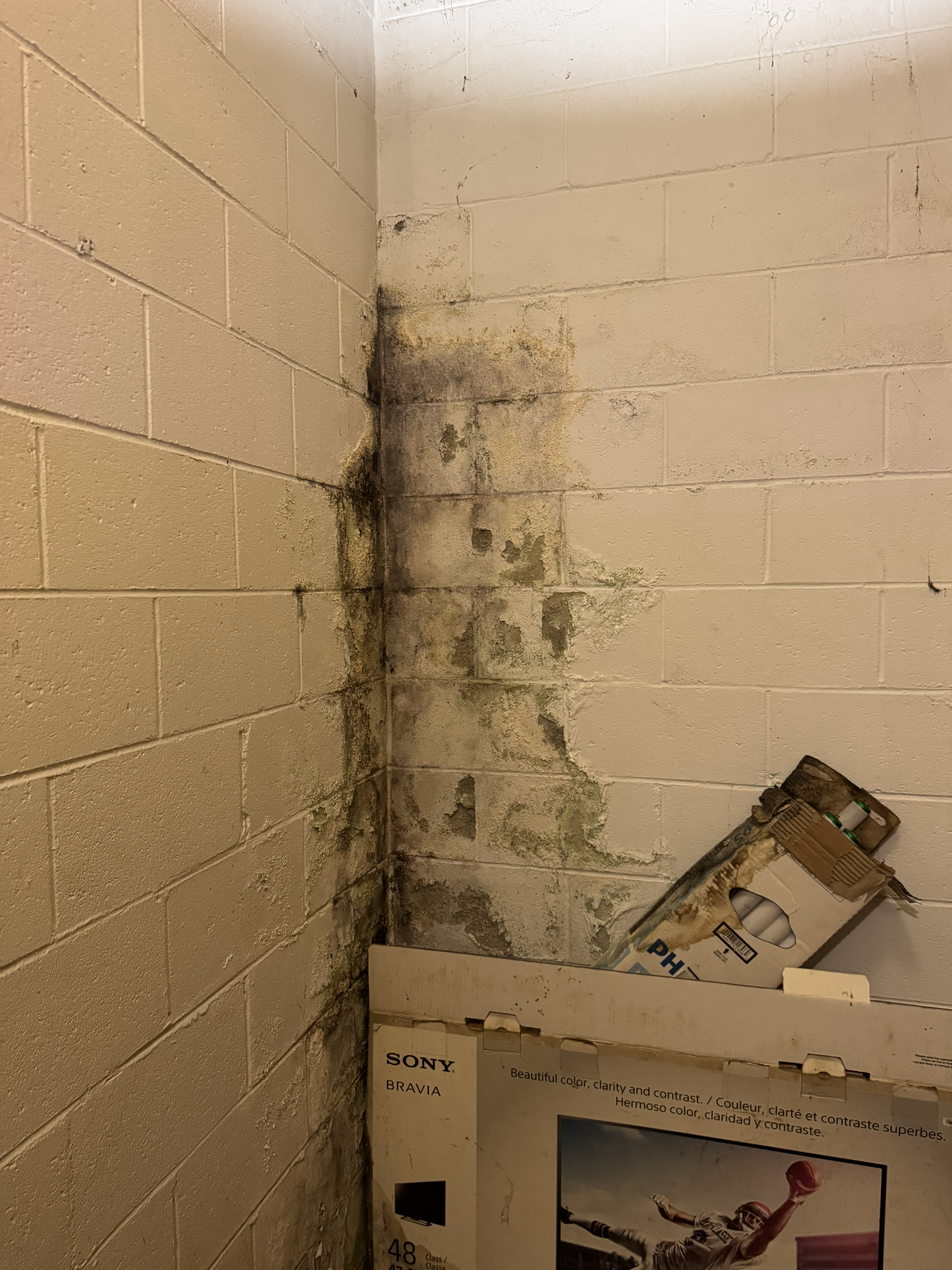
  • Musty smell / mold → chronic moisture/humidity problem
get a free quote

How Water Gets Into a Basement

1) Through the wall itself

Concrete and block are porous. When soil outside is saturated and water has nowhere to drain, hydrostatic pressure builds and water pushes through:

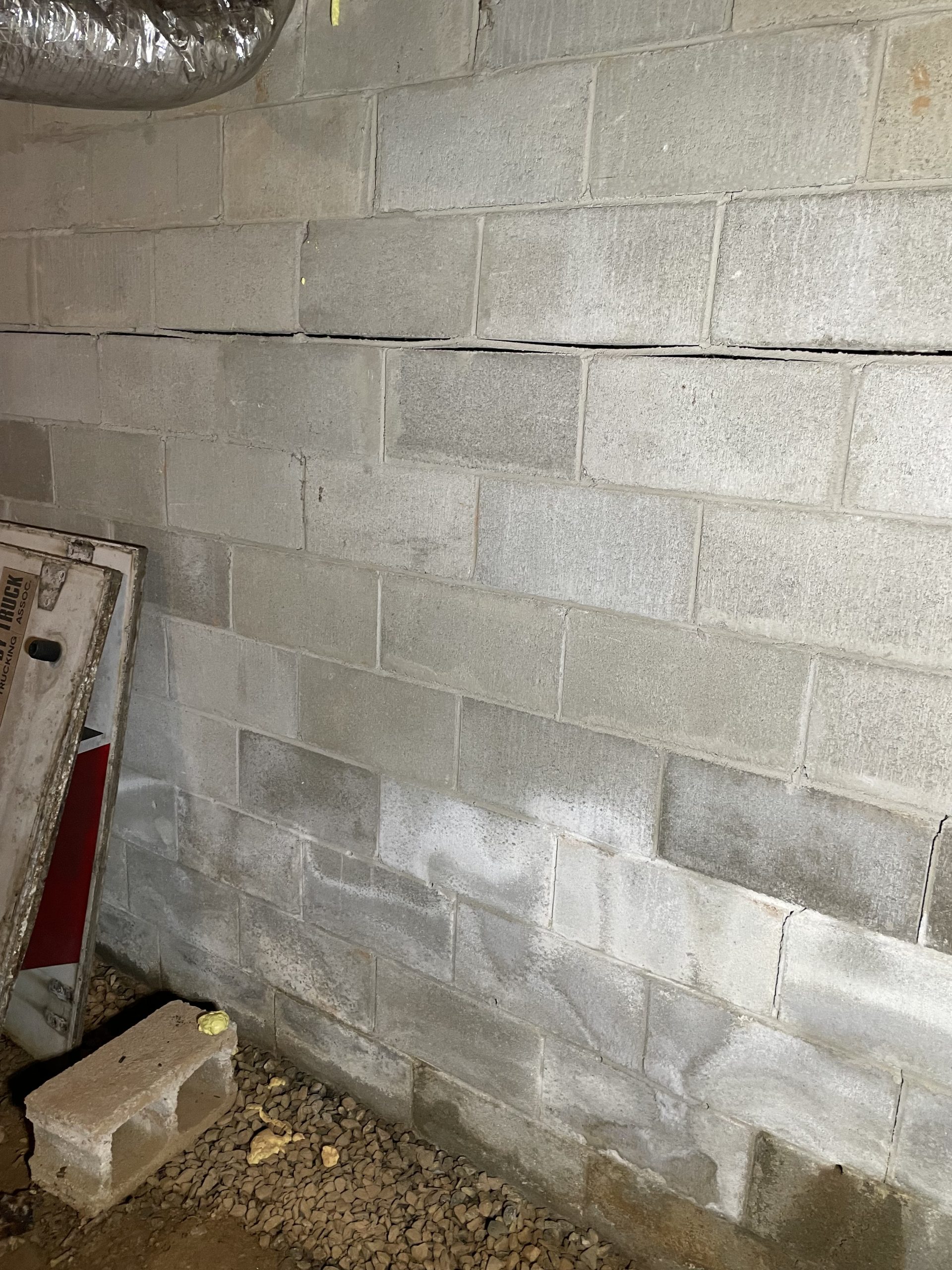
  • cracks
  • porous concrete/block
  • mortar joints (block walls)
2) At the wall–floor joint

The wall and floor are typically poured at different times. Even a small separation at the joint can allow water intrusion under pressure.

3) Through the basement floor

A high water table can push water up through the slab, especially at:

  • floor cracks
  • floor drains
  • penetrations


What You’re Seeing (and What It Usually Means)
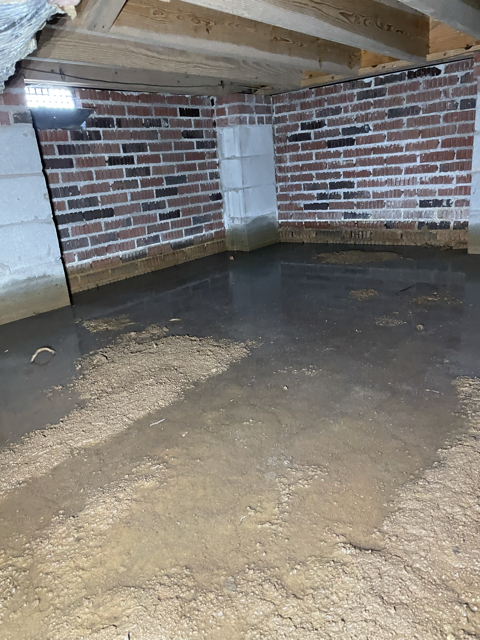
Standing water or active seeping

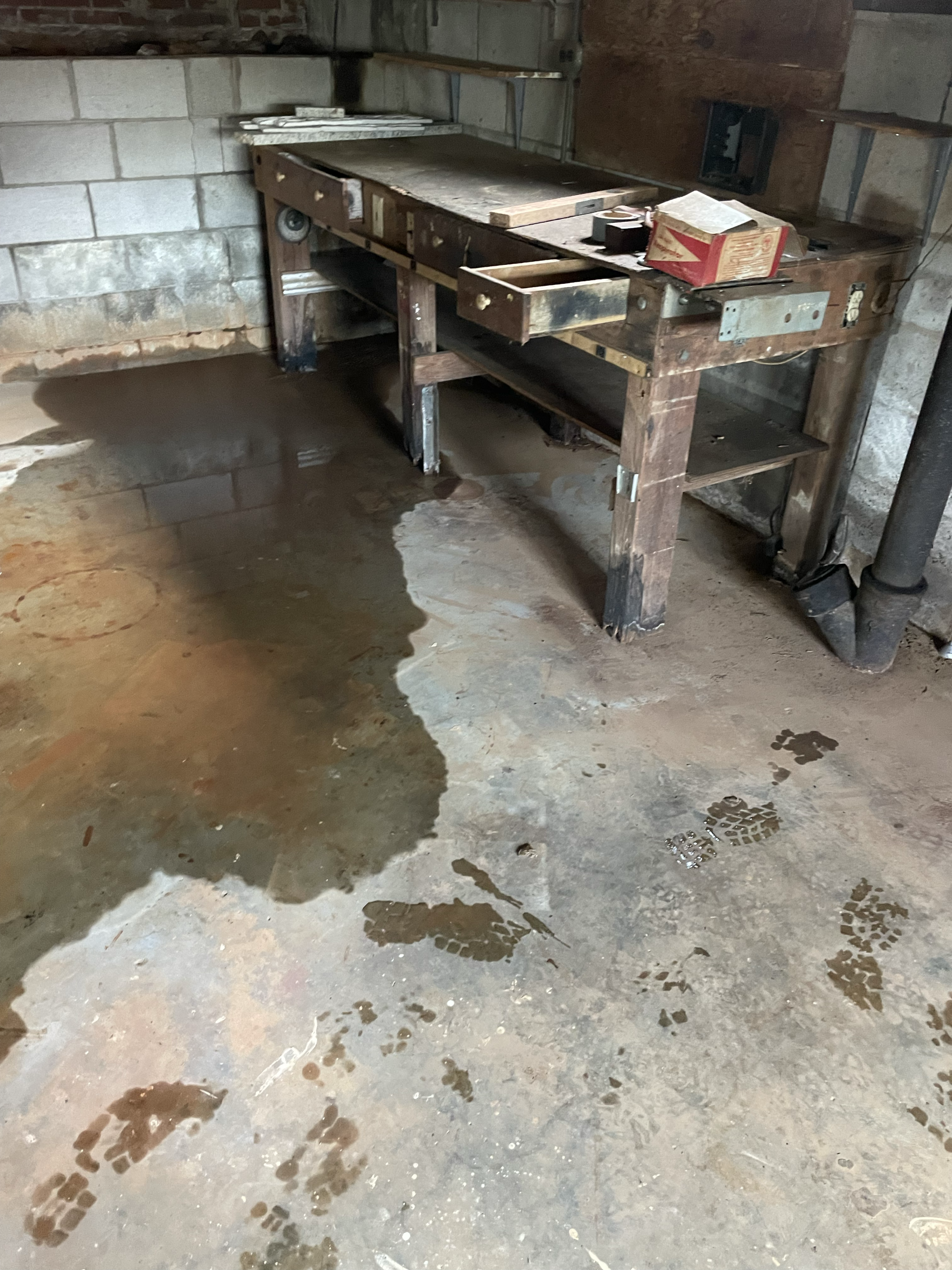
Visible water on the floor or running down a wall usually points to:

  • a crack acting as a direct pathway
  • a failed wall-floor joint
  • high hydrostatic pressure (often after rain)

Timing matters:

  • Only after heavy rain: often surface water / drainage management
  • Slow and persistent regardless of rain: often groundwater / water table

Efflorescence (white powder on walls)

Efflorescence is the white, chalky staining left behind when water moves through masonry, dissolves mineral salts, then evaporates. It’s not mold, and not structural damage by itself, but it’s reliable proof of water movement.

Staining & Discoloration

Rust staining, horizontal tide marks, dark patches, and “ghost lines” show a history of recurring moisture, even if the basement is dry today.

Mold or musty odor

A persistent musty smell (even without visible water) often indicates chronic elevated humidity or recurring moisture events that aren’t obvious between storms.


Basement Waterproofing Solutions: Interior vs Exterior

Interior drainage systems (French drain / perimeter drain)

An interior drain is installed at the base of the wall (in the floor or at the wall-floor joint) to capture water and route it to a sump pit where a sump pump removes it.

Best for:

  • hydrostatic pressure issues
  • chronic seepage
  • finished basements where exterior excavation isn’t practical

Important note: interior systems manage water after it enters; they do not stop the wall from getting wet.

Crack injection (poured concrete walls)

For isolated leaks through specific cracks in poured concrete, injection can be effective:

  • polyurethane injection for active leaks (flexible, expands)
  • epoxy injection when structural restoration is also needed (rigid)

Best for: isolated vertical/diagonal cracks in poured walls where the surrounding wall is sound

Not ideal for block walls: water often moves through the block itself, not just a single crack.

Exterior waterproofing (full source control)

Exterior waterproofing involves excavation to the footing, surface prep, membrane/coating, drainage board, and improving the footing drain.

Best for:

  • major renovations
  • situations where you can excavate and correct exterior drainage thoroughly
  • cases where interior solutions aren’t enough

Tradeoffs: most disruptive and often the most expensive.

Grading and drainage improvements (often the biggest win)

Sometimes the best “waterproofing” improvement isn’t inside the basement:

  • slope grade away from the home
  • extend downspouts away from foundation
  • prevent surface water from pooling at the wall

Best for: basements that leak primarily during/immediately after heavy rain.
Water Intrusion and Structural Risk (why it matters)

Water intrusion alone isn’t structural failure, but chronic water pressure can increase lateral load and accelerate wall deterioration over time. Saturated soil is heavier, less stable, and contributes to erosion/settlement. Block walls are generally more vulnerable to long-term moisture exposure than poured walls.

If intrusion has been happening for a long time, it’s smart to evaluate the wall condition alongside waterproofing, so the solution fits the wall you actually have today.

What We Install

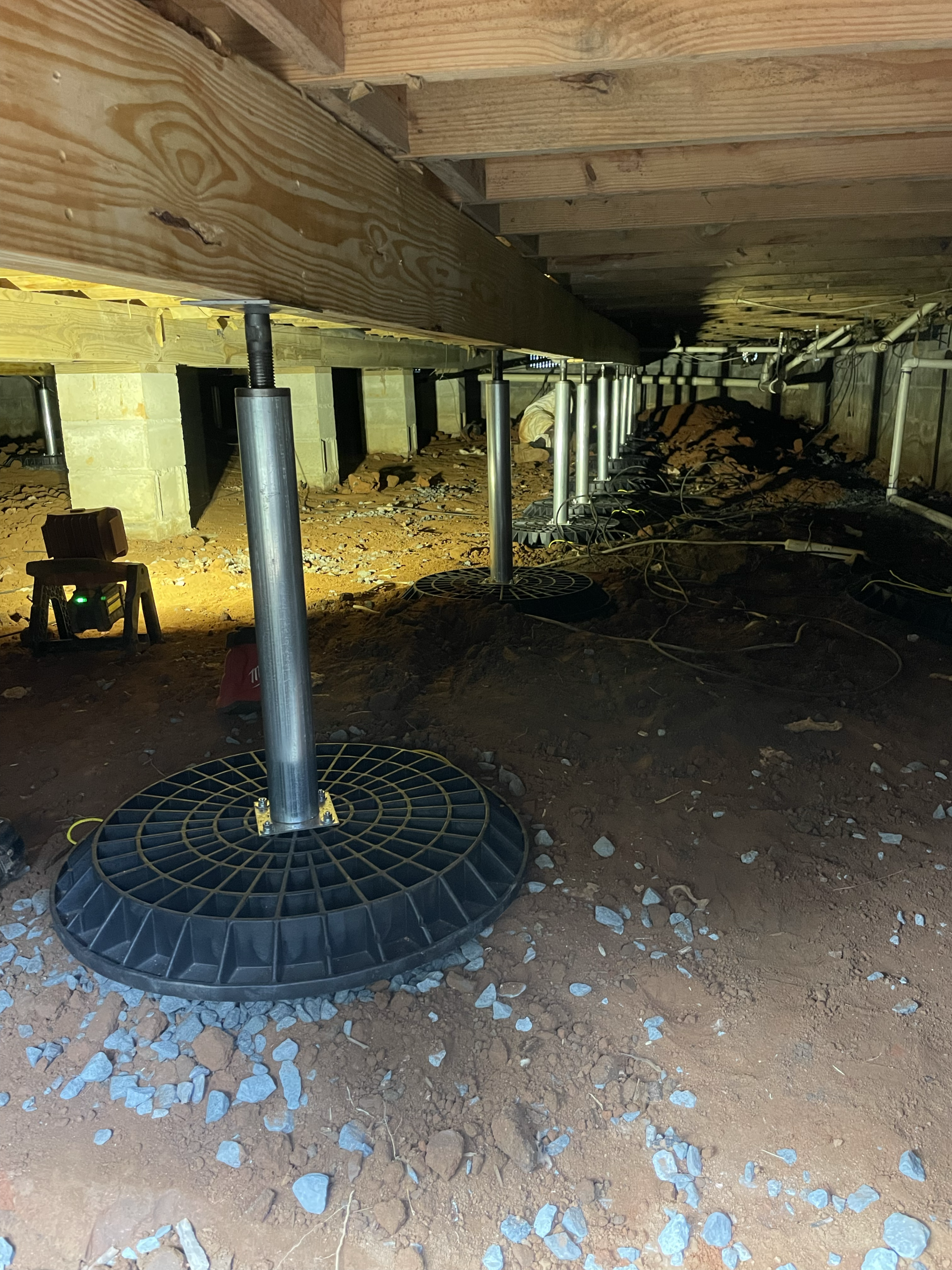
We use adjustable steel floor jacks/support posts rated for over 10,000 lbs, installed on a permanent composite footer base that sits on a gravel footing. This system is backed by an ICC rating, meaning it has been tested to meet load and building code requirements.

Why Homeowners Choose Structural Repair

Structural issues have a quiet way of stealing comfort. You adapt. You step around that spot. You stop trusting the floor the way you used to.

Repair changes that.

Benefits Homeowners Care most about

  • Floors feel solid again, less bounce, less movement, fewer surprises
  • Confidence that the home is supported the right way
  • Repairs that address the cause, not just the symptom
  • A clear plan and straightforward pricing before work begins
  • Stronger long-term support where it matters

If you want a simple next step, start with an inspection. We’ll tell you what’s happening and what it would take to fix it.

Basement Water Intrusion Repair FAQs

Is crack injection a permanent fix?2026-04-06T10:45:36-04:00

It can be for isolated cracks in poured walls, but it doesn’t remove hydrostatic pressure drivers.

Do interior drains stop water from entering?2026-04-06T10:44:52-04:00

They manage water after it enters and route it to a sump, reducing flooding and pressure symptoms.

Is a wet basement a foundation problem?2026-04-06T10:44:03-04:00

Not always structural, but it is a waterproofing failure and can create conditions for structural issues over time.

What does efflorescence on a basement wall mean?2026-04-06T10:43:27-04:00

It’s mineral residue left behind after water moves through masonry and evaporates—proof of water movement.

Why do I get water in my basement after heavy rain?2026-04-06T10:42:49-04:00

Often surface drainage: grading, downspouts, and water pooling against the wall.
Areas We Serve

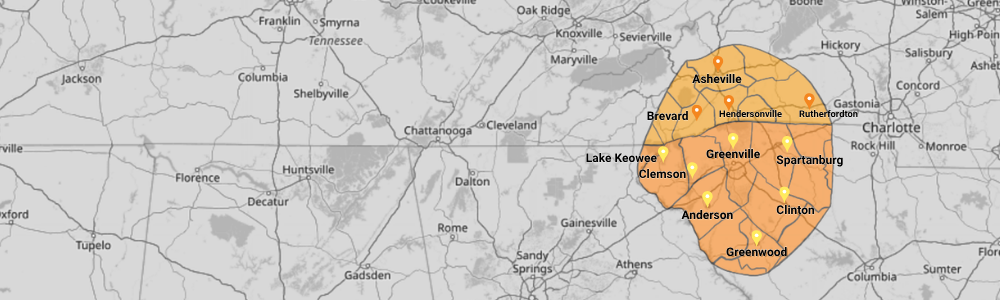
Our team provides foundation and structural repair services to a large area that covers part of Western North Carolina and Upstate South Carolina. The cities we service include, but are not limited to:

Greenville County — Greenville, Greer, Taylors, Travelers Rest, Mauldin, Simpsonville, Fountain Inn, Piedmont
Spartanburg County — Spartanburg, Boiling Springs, Duncan, Lyman, Inman
Anderson County — Anderson, Belton, Honea Path, Pendleton, Powdersville
Pickens County — Easley, Pickens, Liberty, Central, Clemson, Six Mile
Oconee County — Seneca, Walhalla, Westminster
Laurens County — Laurens, Clinton
Greenwood Area— Gaffney, Union, Greenwood, Cherokee

Buncombe County — Asheville, Arden, Fletcher, Candler, Black Mountain, Swannanoa, Weaverville
Henderson County — Hendersonville, Mills River, Flat Rock, Etowah
Transylvania County — Brevard, Pisgah Forest
Haywood County — Waynesville, Canton
Polk County — Tryon, Columbus, Saluda
Jackson/Macon (edge) — Sylva, Franklin

Areas We Serve

Our team provides foundation and structural repair services to a large area that covers part of Western North Carolina and Upstate South Carolina. The cities we service include, but are not limited to:

Greenville County — Greenville, Greer, Taylors, Travelers Rest, Mauldin, Simpsonville, Fountain Inn, Piedmont
Spartanburg County — Spartanburg, Boiling Springs, Duncan, Lyman, Inman
Anderson County — Anderson, Belton, Honea Path, Pendleton, Powdersville
Pickens County — Easley, Pickens, Liberty, Central, Clemson, Six Mile
Oconee County — Seneca, Walhalla, Westminster
Laurens County — Laurens, Clinton
Greenwood Area— Gaffney, Union, Greenwood, Cherokee

Buncombe County — Asheville, Arden, Fletcher, Candler, Black Mountain, Swannanoa, Weaverville
Henderson County — Hendersonville, Mills River, Flat Rock, Etowah
Transylvania County — Brevard, Pisgah Forest
Haywood County — Waynesville, Canton
Polk County — Tryon, Columbus, Saluda
Jackson/Macon (edge) — Sylva, Franklin

Go to Top