864-527-6330

Call For Quicker Scheduling

Our Regional Divisions

Our Regional Divisions

Push Pier Foundation Repair2026-04-06T22:35:45-04:00

How We Fix The Problem

  • 1

    You Receive A Free Inspection

  • 2

    We Diagnose The Real Issue

  • 3

    We Install A Permanent Solution

How We Fix The Problem

  • 1

    You Receive A Free Inspection

  • 2

    We Diagnose The Real Issue

  • 3

    We Install A Permanent Solution

Push Pier Foundation Repair

When the soil beneath a foundation fails and the structure begins to sink, push piers provide a deep foundation solution, especially when space is tight and equipment access is limited.

Push piers and helical piles solve the same core problem: they bypass unstable soil and transfer the foundation’s load to stable bearing deeper below. The difference is the installation method, and that difference matters.

get a free quote

How Push Piers Work

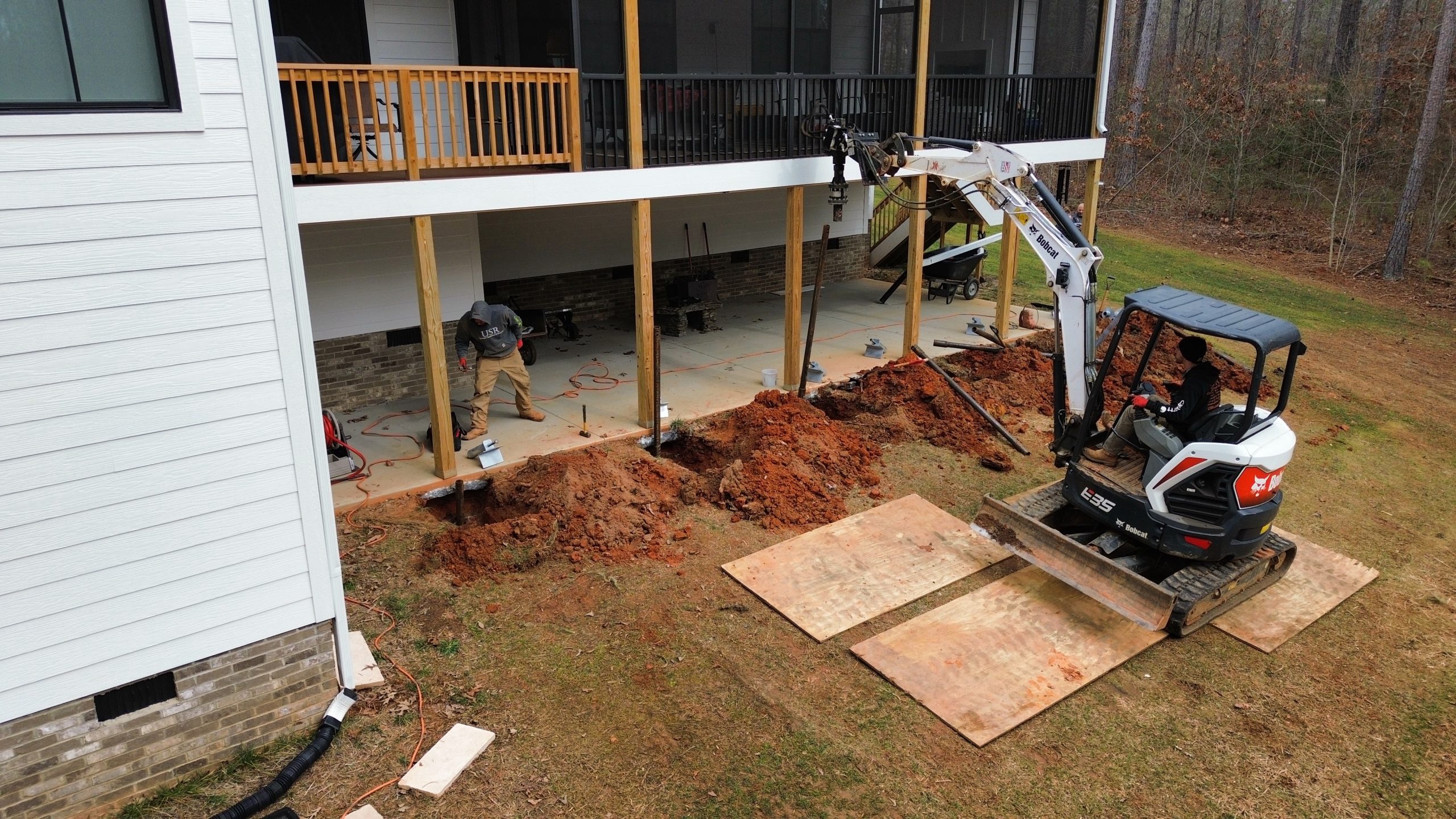
Step 1 – Foundation bracket installation

A steel bracket is attached at the base of the foundation footing. This becomes the permanent connection point for the pier system.

Step 2 - Hydraulic driving of pier sections

A hydraulic ram drives steel pier sections straight down into the ground. The system advances in segments, with each section indexing into the next until adequate bearing is reached..

Step 3 – Capacity is established by the structure’s load

Push pier capacity is determined by the point at which the soil below resists further movement and begins transferring load back up. The hydraulic ram uses the weight of the structure as the reaction force, so the stopping point correlates to the actual load being supported.

Step 4 – Foundation lifting (when possible)

Once piers are driven and connected, hydraulic equipment can lift the settled section back toward its original elevation.


Signs You May Need Push Piers (Settlement Symptoms)
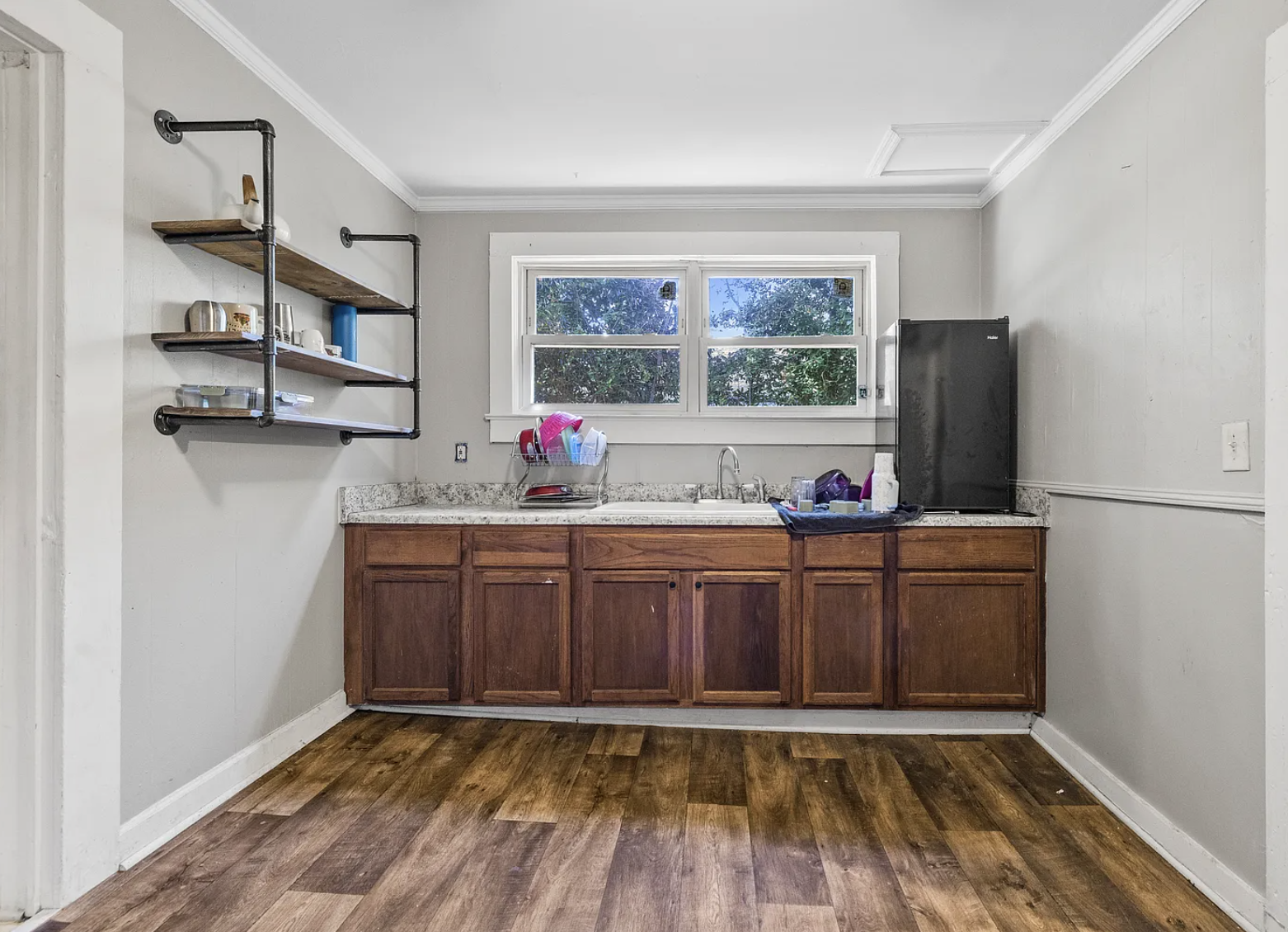
really bad sloping floor repair

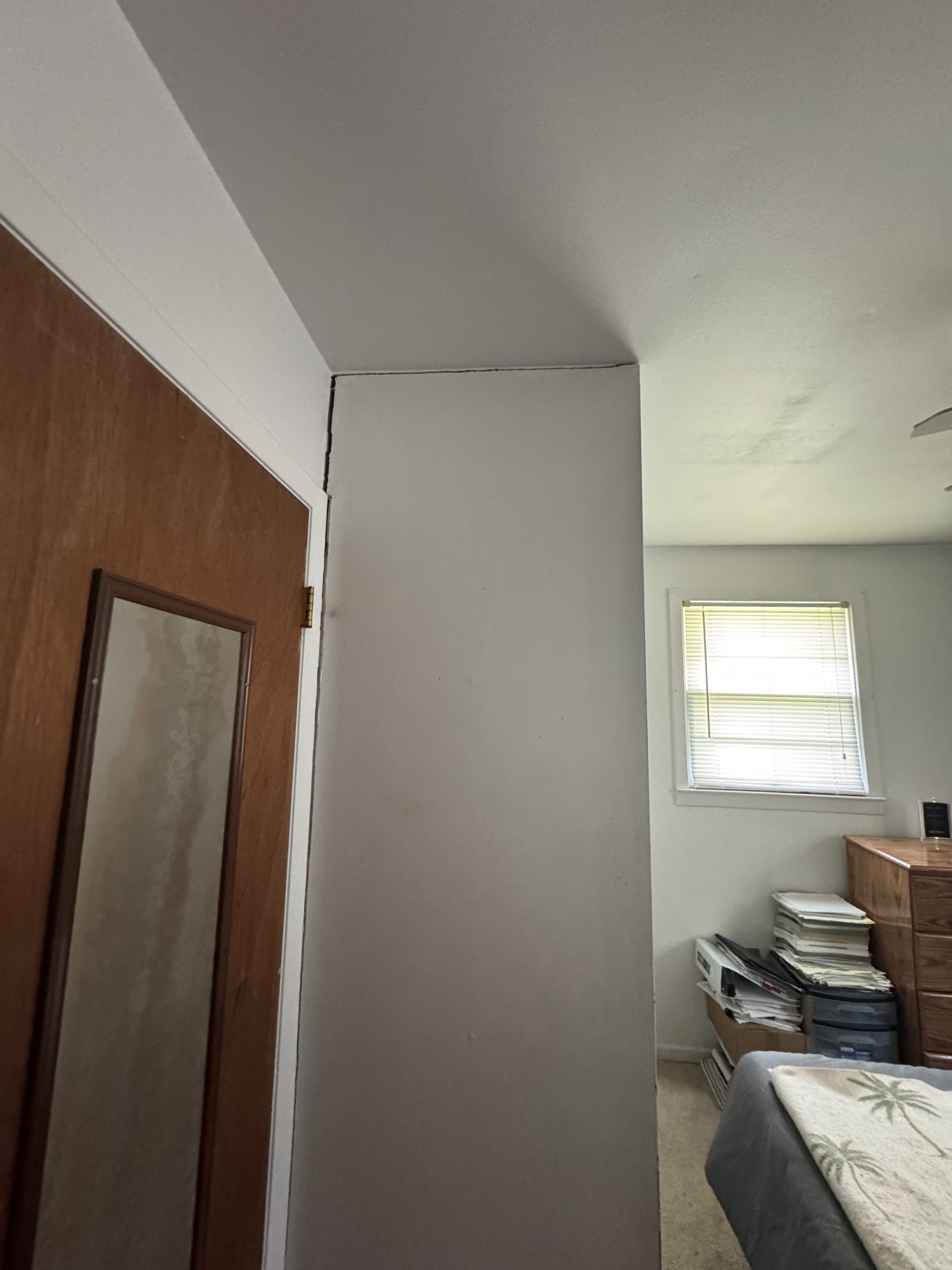
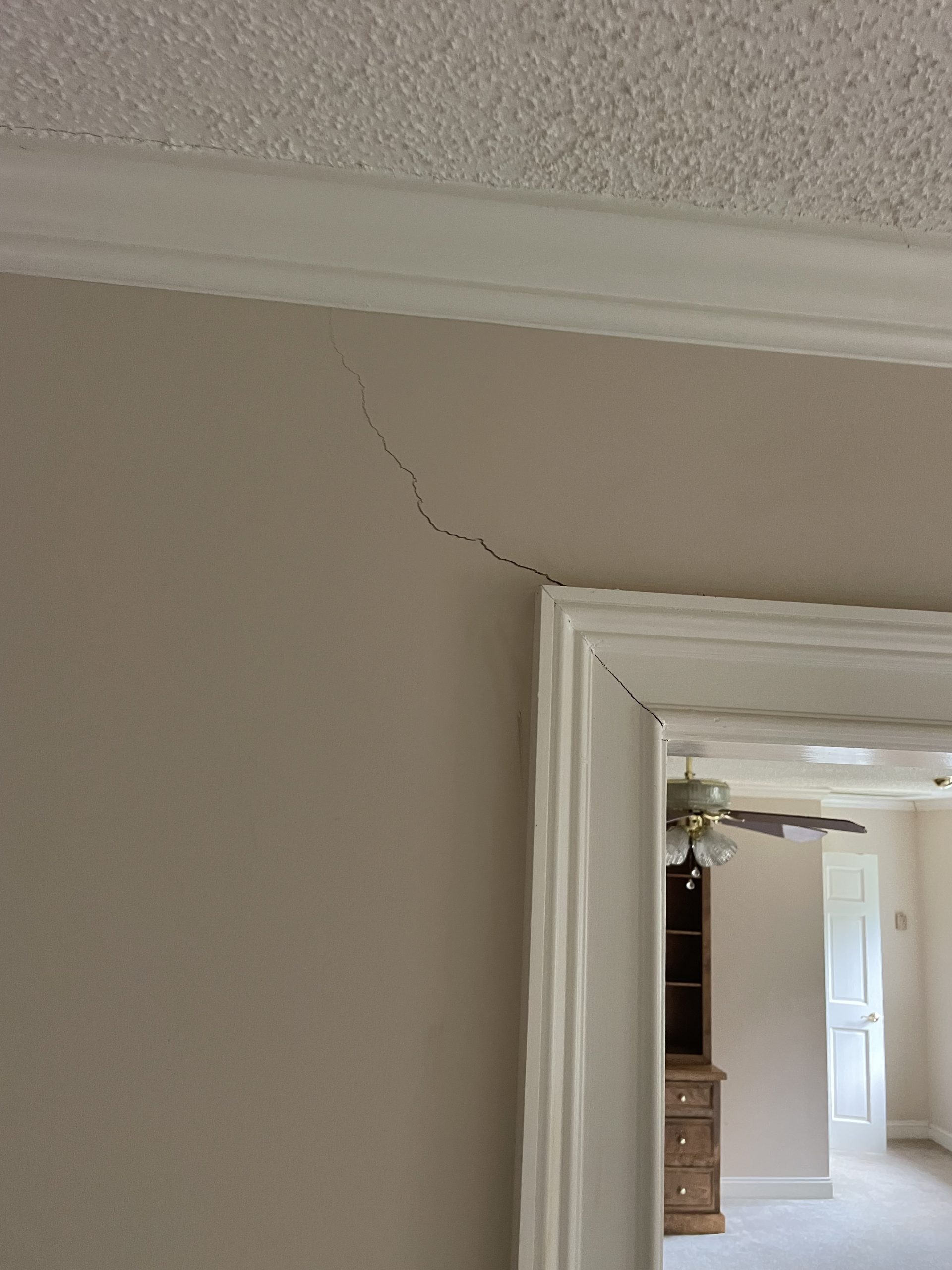
Gaps between walls and the ceiling or floor

stair step crack repair visualization USR

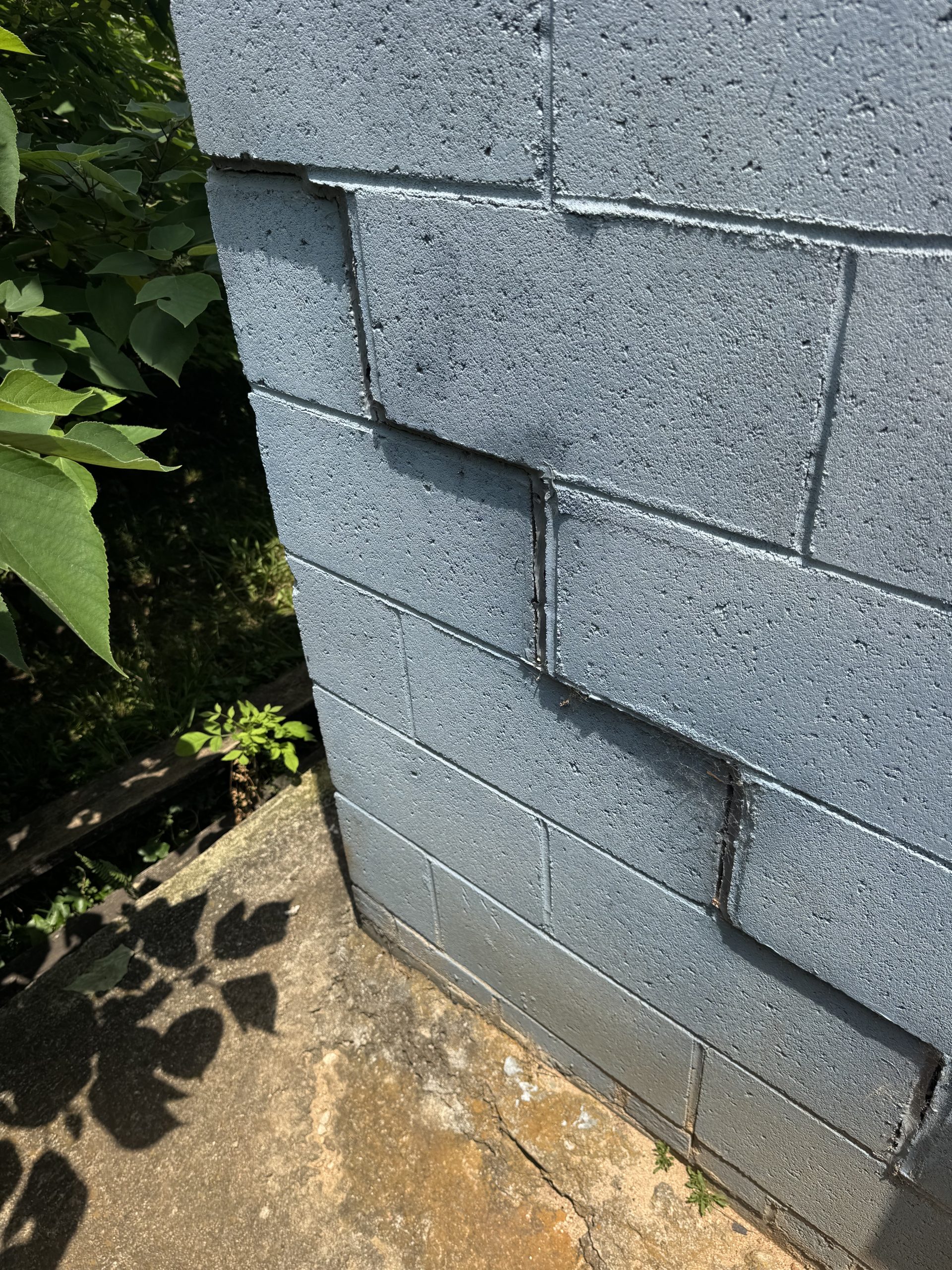
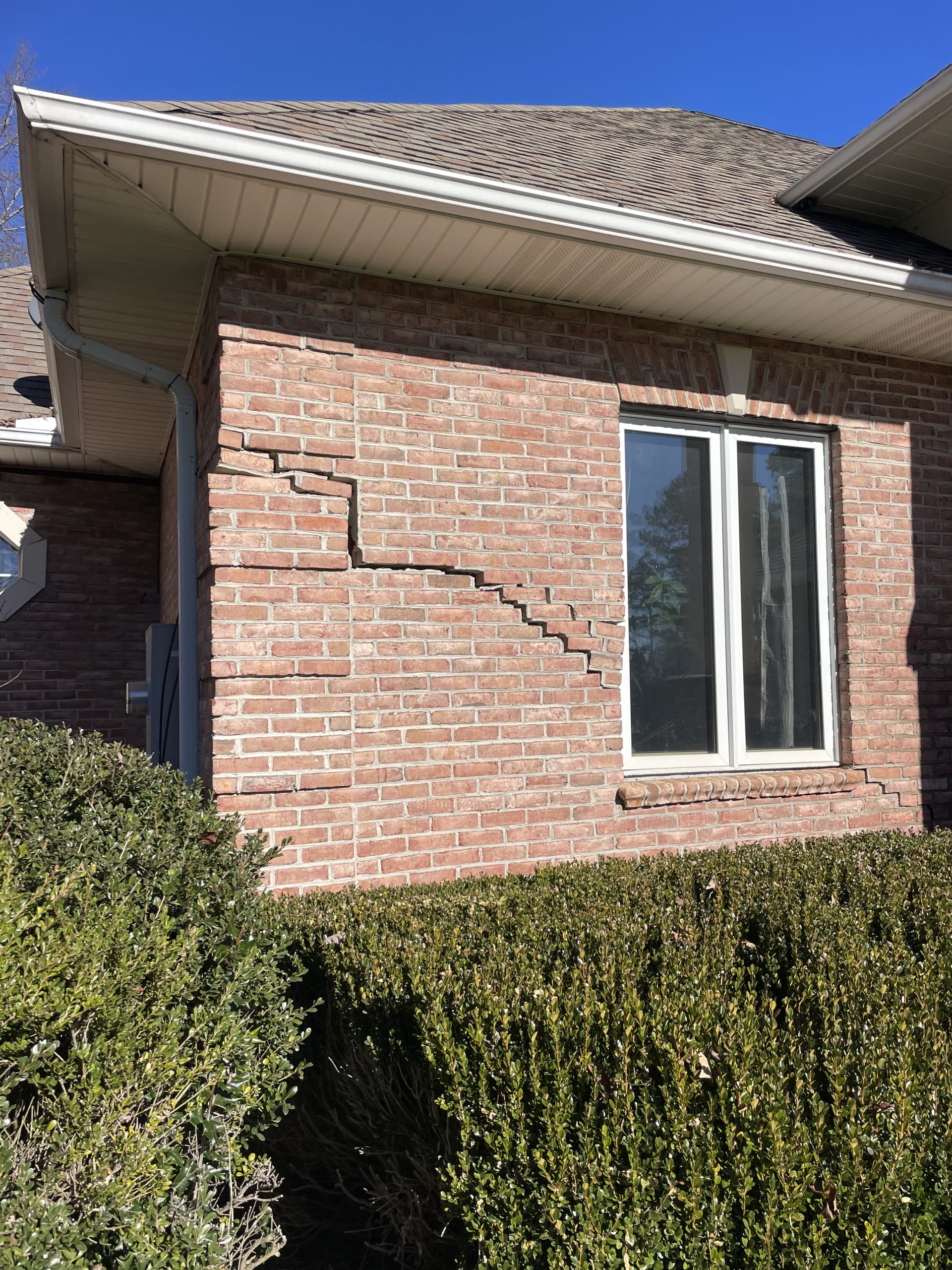
Stair-step cracks in brick/block exterior

widening wall crack

Gaps between walls and the ceiling or floor

Doors/windows that stick, won’t latch, or show gaps at frames

A chimney or section of the home appearing lower than the rest

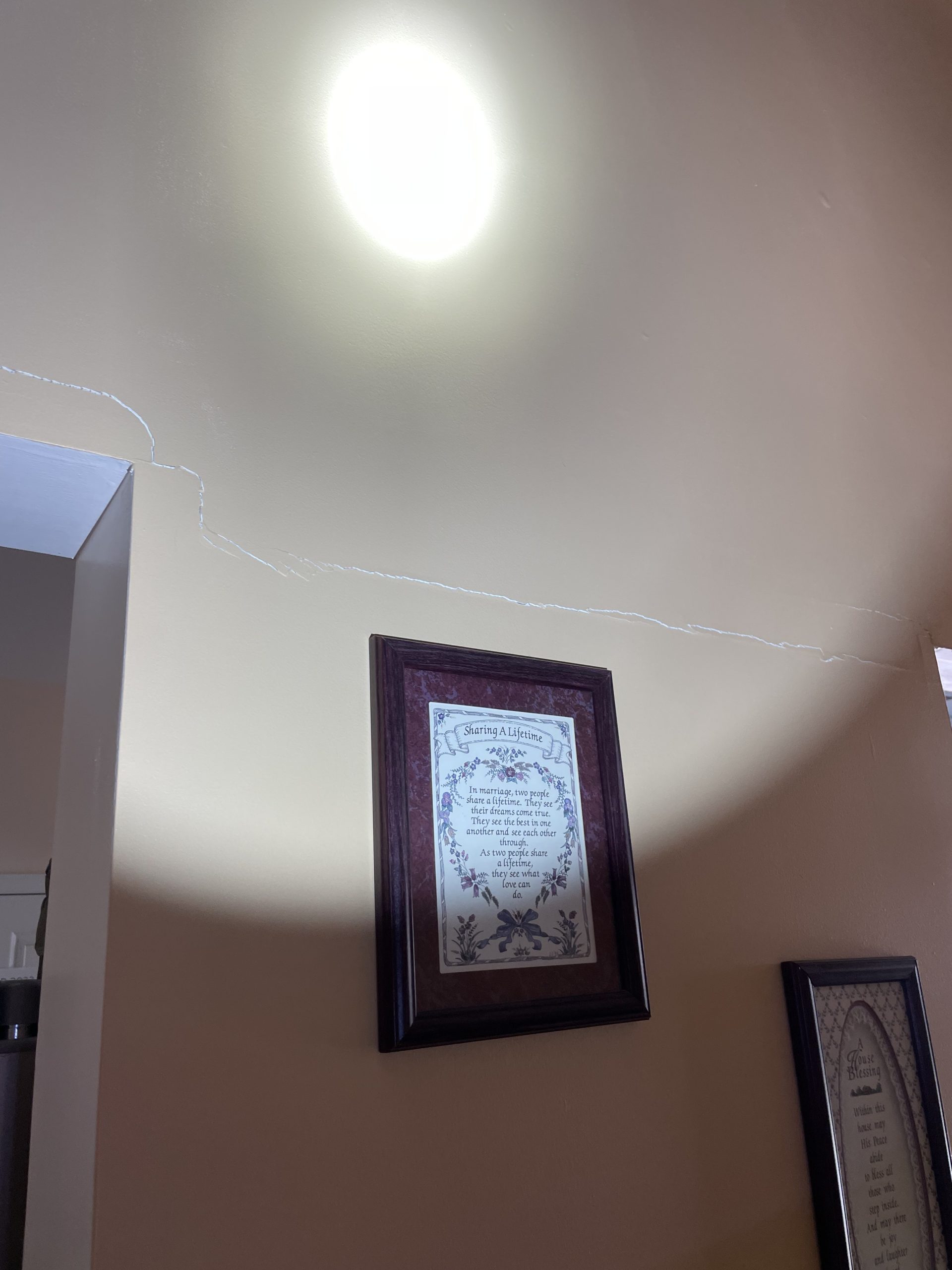
inside wall crack repair

Diagonal cracks at door / window corners (especially on multiple levels)

What to Expect When the Foundation Is Lifted

Lift is often possible, but results vary.

  • Lift is the goal, full recovery isn’t always possible (depends on how long settlement has occurred, structure condition, and soil response).
  • Lifting doesn’t erase past damage, cracks, trim gaps, sticking doors, and exterior masonry displacement may still need cosmetic repair after stabilization.
Push Piers vs Helical Piers: Two Key Differences

Capacity is tied to current structural load

Push piers use the structure’s weight during installation, and are typically sized to what’s there today. They’re not the best choice if the goal is to accommodate major future load increases (like a large addition).

Minimal equipment footprint (big advantage)

Push piers can be installed in confined spaces, crawlspaces, narrow side yards, basements, where larger equipment for helical piles may not fit. This is often the deciding factor.

Do Push Piers Require a Structural Engineer?

In most cases, yes. Push pier installation typically requires engineering to specify pier layout and provide stamped drawings for permitting. Permitting and inspection protect you and are especially important for resale documentation. We've got you covered.

Free Foundation Settlement Inspection

Foundation settlement tends to become more complex and expensive the longer it continues. The sooner movement is stabilized, the better the outcome and the less secondary damage accumulates.

What We Install

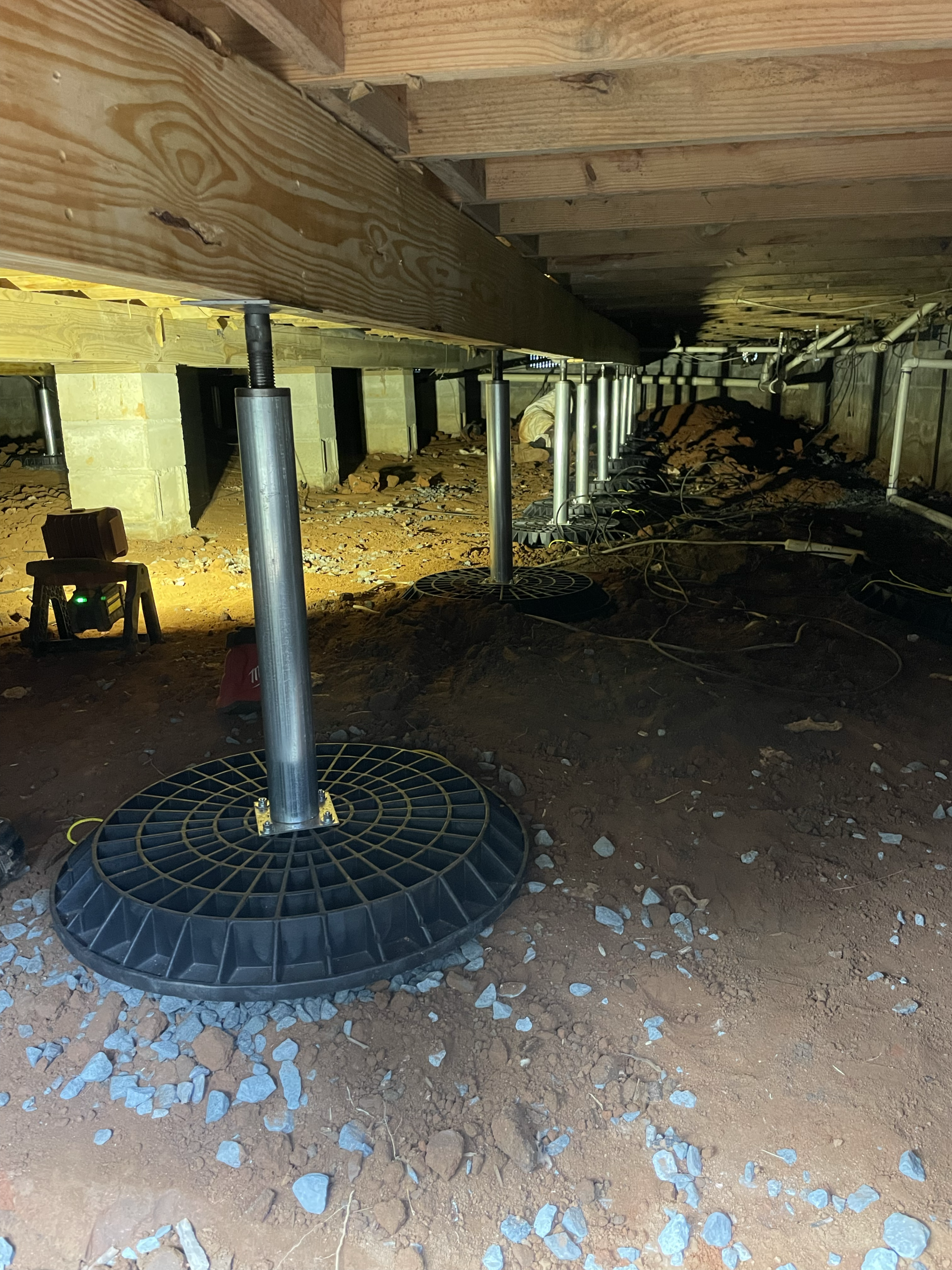
We use adjustable steel floor jacks/support posts rated for over 10,000 lbs, installed on a permanent composite footer base that sits on a gravel footing. This system is backed by an ICC rating, meaning it has been tested to meet load and building code requirements.

Push Pier Foundation Repair FAQs

What causes dips near openings or hallways?2026-03-26T12:45:39-04:00

Concentrated loads, long spans, or missing support points commonly show up near doorways, openings, and hallway lines.

How long do the bouncy, sloping floor repairs take?2026-03-26T12:21:14-04:00

It depends on scope, but many support and stabilization projects can be completed quickly once the plan is set.

Will patching or new flooring fix the problem?2026-03-26T12:20:13-04:00

No. Cosmetic repairs won’t stop movement. The floor system underneath must be stabilized first.

How do I know if it’s a support issue vs damaged wood?2026-03-26T12:19:16-04:00

Support issues happen when framing is sound but under-supported. Damaged wood is often tied to moisture/rot/termite activity and needs replacement. We confirm during inspection.

Can uneven or sloping floors be fixed from below?2026-03-26T12:18:31-04:00

Often, yes. Many floors can be stabilized from underneath with supports, joist reinforcement, or beam work without removing finished flooring.
Areas We Serve

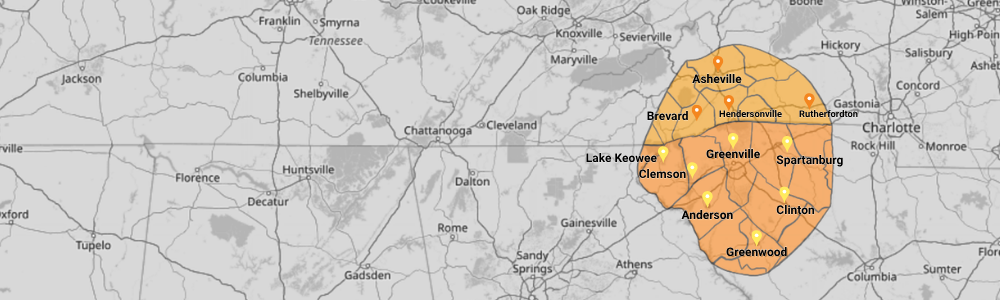
Our team provides foundation and structural repair services to a large area that covers part of Western North Carolina and Upstate South Carolina. The cities we service include, but are not limited to:

Greenville County — Greenville, Greer, Taylors, Travelers Rest, Mauldin, Simpsonville, Fountain Inn, Piedmont
Spartanburg County — Spartanburg, Boiling Springs, Duncan, Lyman, Inman
Anderson County — Anderson, Belton, Honea Path, Pendleton, Powdersville
Pickens County — Easley, Pickens, Liberty, Central, Clemson, Six Mile
Oconee County — Seneca, Walhalla, Westminster
Laurens County — Laurens, Clinton
Greenwood Area— Gaffney, Union, Greenwood, Cherokee

Buncombe County — Asheville, Arden, Fletcher, Candler, Black Mountain, Swannanoa, Weaverville
Henderson County — Hendersonville, Mills River, Flat Rock, Etowah
Transylvania County — Brevard, Pisgah Forest
Haywood County — Waynesville, Canton
Polk County — Tryon, Columbus, Saluda
Jackson/Macon (edge) — Sylva, Franklin

Areas We Serve

Our team provides foundation and structural repair services to a large area that covers part of Western North Carolina and Upstate South Carolina. The cities we service include, but are not limited to:

Greenville County — Greenville, Greer, Taylors, Travelers Rest, Mauldin, Simpsonville, Fountain Inn, Piedmont
Spartanburg County — Spartanburg, Boiling Springs, Duncan, Lyman, Inman
Anderson County — Anderson, Belton, Honea Path, Pendleton, Powdersville
Pickens County — Easley, Pickens, Liberty, Central, Clemson, Six Mile
Oconee County — Seneca, Walhalla, Westminster
Laurens County — Laurens, Clinton
Greenwood Area— Gaffney, Union, Greenwood, Cherokee

Buncombe County — Asheville, Arden, Fletcher, Candler, Black Mountain, Swannanoa, Weaverville
Henderson County — Hendersonville, Mills River, Flat Rock, Etowah
Transylvania County — Brevard, Pisgah Forest
Haywood County — Waynesville, Canton
Polk County — Tryon, Columbus, Saluda
Jackson/Macon (edge) — Sylva, Franklin

Go to Top