

Wall Separation Repair: What That Gap Means
A gap between your wall and ceiling or a gap between your wall and floor is a sign that something has moved. The key is identifying what moved, roof framing (truss uplift), floor framing, or structural support beneath the home, so the repair fixes the cause, not just the drywall.
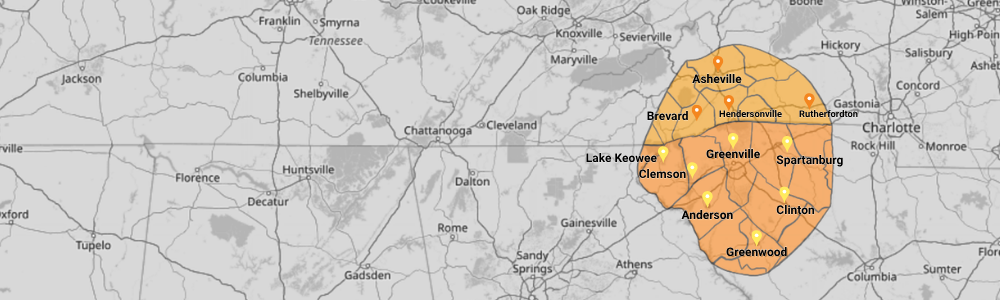
We inspect and diagnose wall separation across the Carolinas, including Greenville, Spartanburg, Anderson, Asheville, Rutherfordton, and surrounding areas.
Where is the gap and how to tell the difference:
| What you see | More likely cause | What it feels like | Urgency |
|---|---|---|---|
| Gap between wall and floor | Floor framing/support movement | Floor may feel soft, dipping, uneven | Higher |
| Wall pulling away from ceiling only | Truss uplift | Floor feels normal/solid | Moderate |
| Gap + doors sticking + uneven floors | Structural movement | Multiple symptoms in same area | Higher |
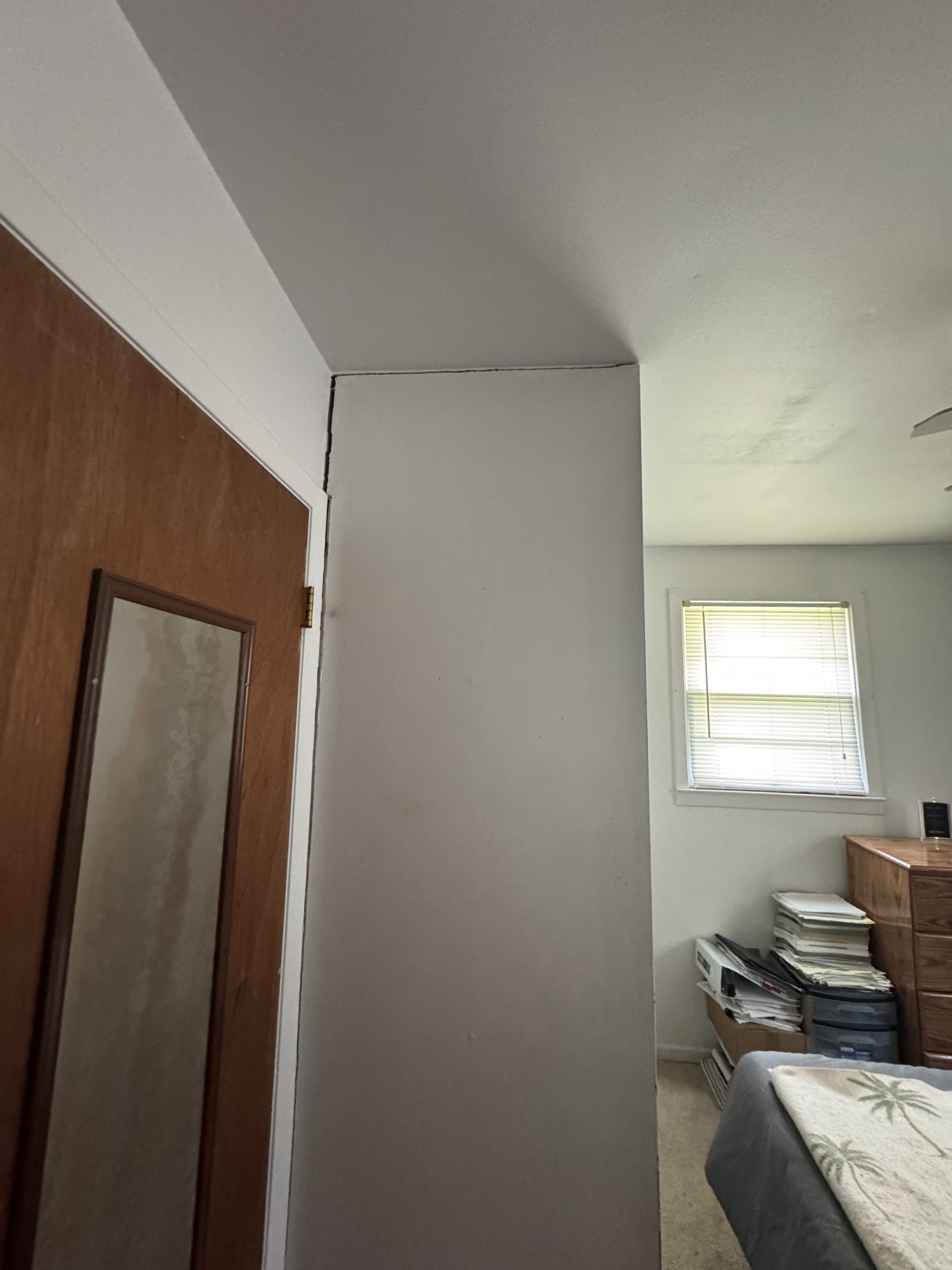
Wall pulling away from ceiling → often truss uplift
Typically, with this kind of separation, the floors will still feel solid or normal. This sign is a moderate level of concern.
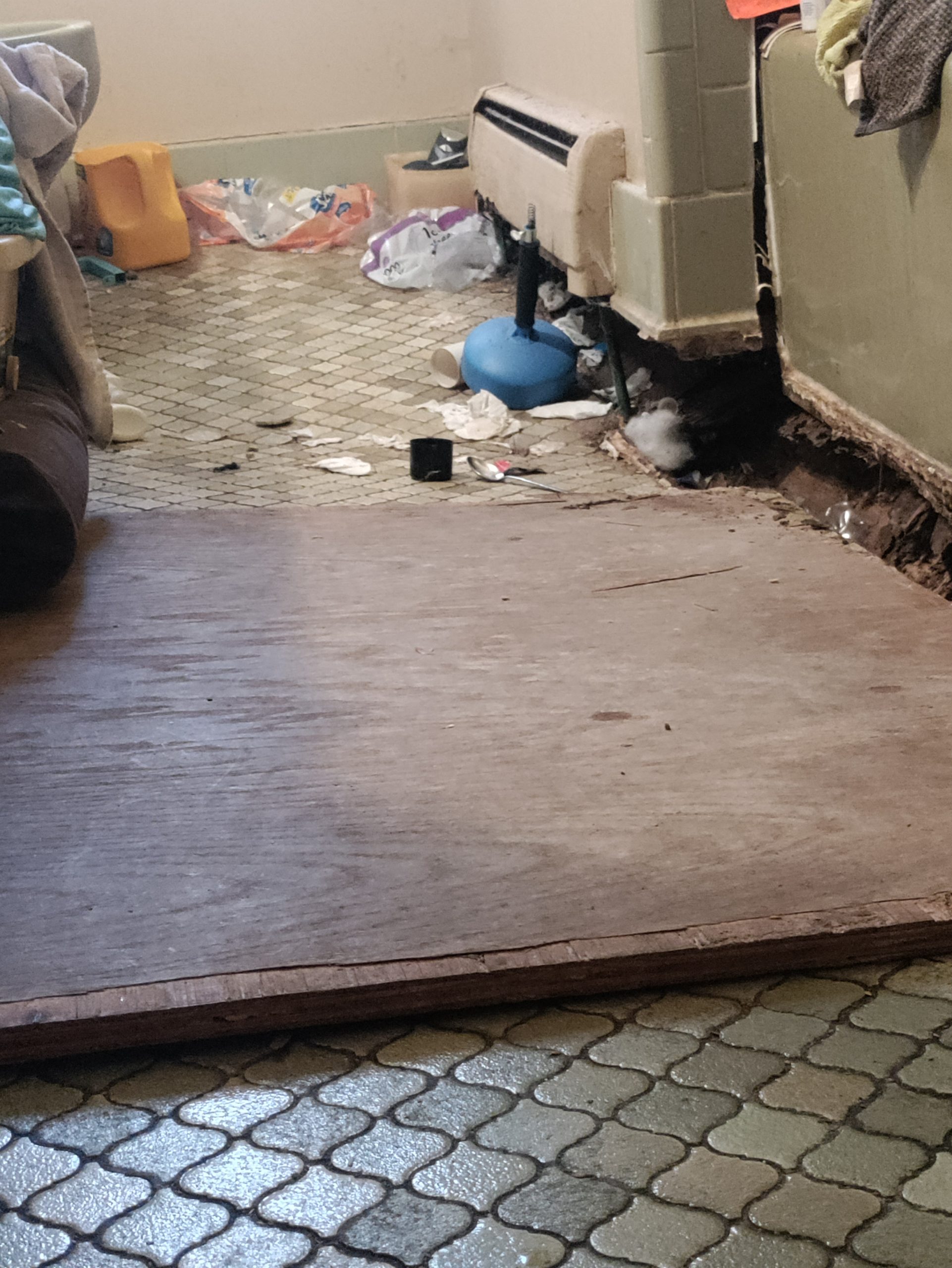
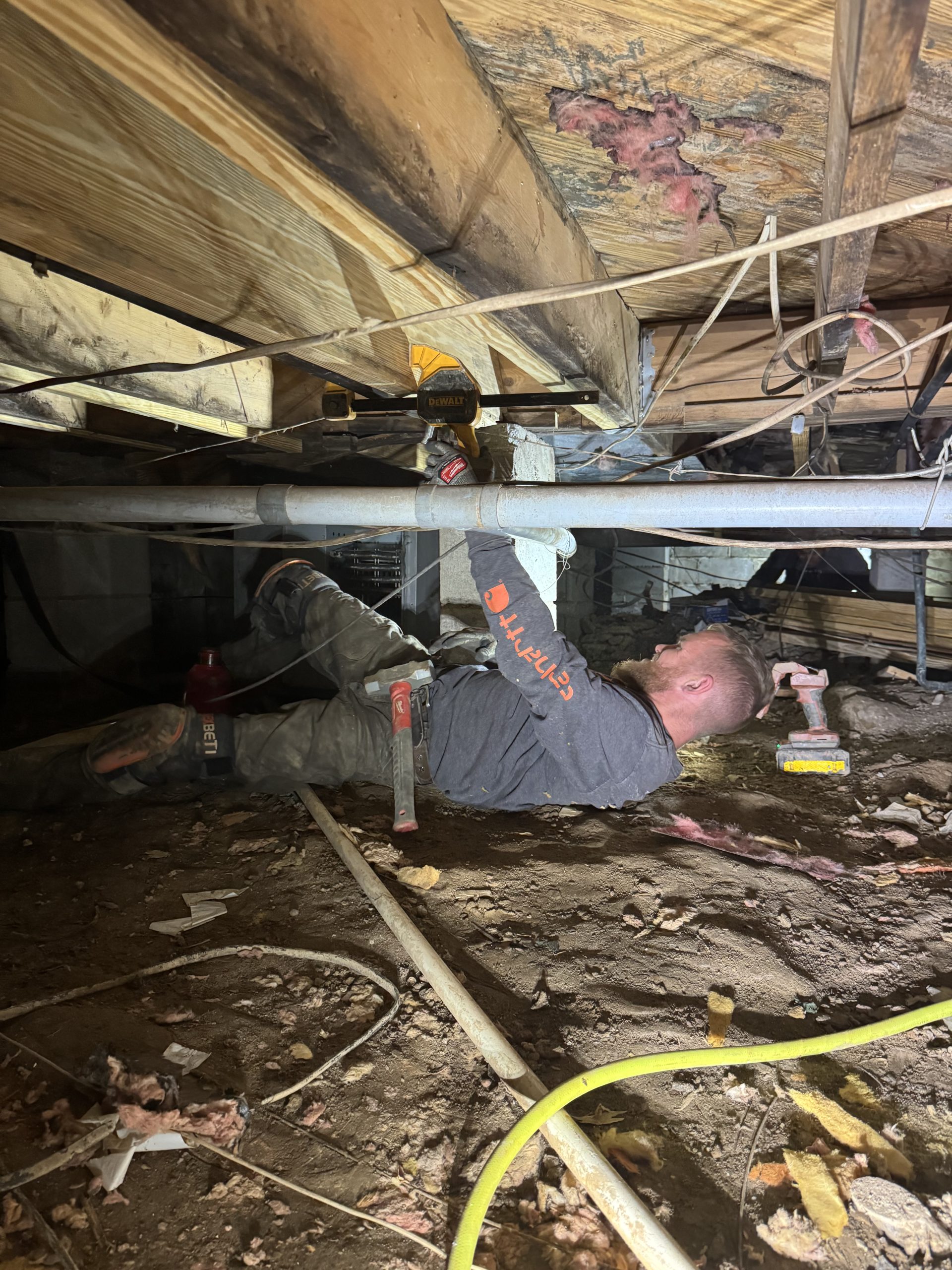
Gap between wall and floor → often floor framing movement
With the wall pulling away from the floor, this can often leave the floors feeling soft and potentially dipping or uneven. This sign is a higher level of concern.
Gap at ceiling + doors sticking / uneven floors → possible structural movement
This type of separation is the highest level of concern, as it can often mean the structure is experiencing movement. This will result in multiple symptoms in the same area.
get a free quote
The Two Most common causes of wall separation
If you see the wall separating at the bottom, especially if the floor feels soft, sloped, or lower near that wall, this often points to movement in the floor system beneath it.
Common drivers:
- Compromised framing (wood weakened by moisture/rot/termite damage)
- Support deficiencies (not enough support posts/jacks or beam support in the right locations)
- Settlement-related movement that affects supports below the wall line
What to check at home:
- Does the floor feel uneven, spongy, or dipping near the wall?
- Are there other symptoms nearby (bouncy floors, door sticking, new interior cracks)?
Typical repair direction (depends on inspection):
- Repair/replace compromised wood members (as needed)
- Add or adjust supports (posts/jacks/beam support) to stabilize the floor system
- Then repair finishes (drywall/trim) after movement is corrected
If the separation is at the top, wall pulling away from ceiling, and the floor feels solid with no signs of framing damage below, a common cause is truss uplift.
What truss uplift is:
Seasonal temperature and humidity differences can cause roof trusses to lift slightly, creating a visible gap at the ceiling line. It is often most noticeable in colder months and may reduce in warmer seasons.
Typical repair direction:
- Confirm truss uplift vs structural movement
- Use finish techniques that allow seasonal movement without repeatedly cracking
- Address attachment/finish details so the gap doesn’t keep reopening
Wall Separation Repair FAQs
Uneven floors, sticking doors, interior cracks near openings, and changes that worsen over time.
Caulk may hide it temporarily, but if movement continues the gap often returns.
It can be, especially if it’s paired with soft/uneven floors or signs of framing damage underneath.
Truss uplift is seasonal roof truss movement that can create a gap where the wall meets the ceiling, often worse in winter.
Not always. It can be truss uplift, but an inspection confirms whether it’s seasonal movement or structural shifting.