


Bouncy, Uneven & Sloping Floors Repair
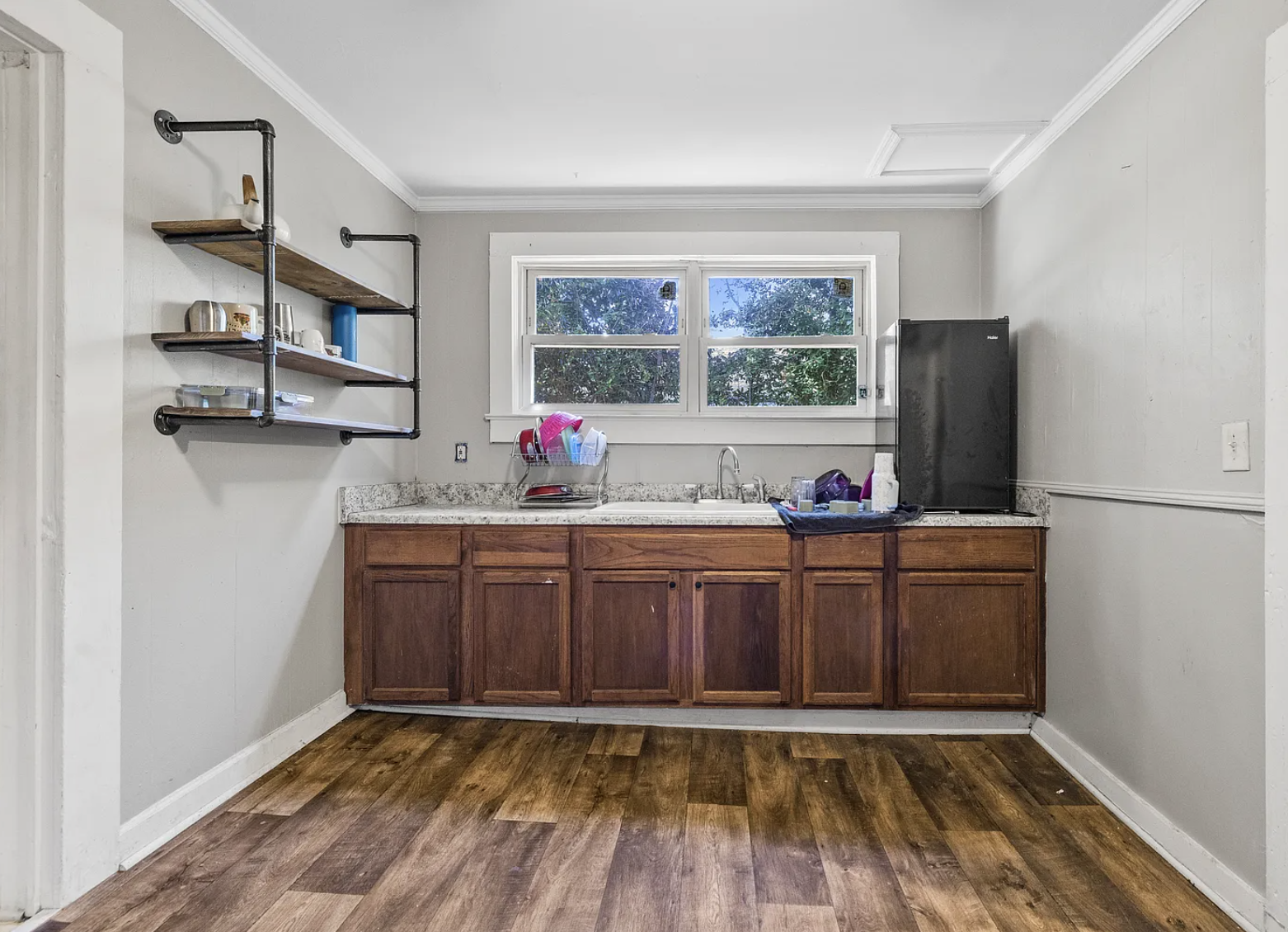
Floors that bounce, slope, dip, sag, or feel uneven are more than an annoyance, they’re usually a sign that the floor system underneath isn’t being supported the way it should. The right fix depends on why it’s happening, which is why an expert evaluation is the smartest first step.
We start with a free structural inspection, so you get the correct solution the first time, not a guess.
Common Signs Homeowners Notice:
get a free quote
The Two Most Common Causes of Bouncy & Uneven Floors
If the wood framing is still in good condition, the issue is often that the system is under-supported, spans are too long, supports aren’t placed where loads concentrate, or the home simply needs reinforcement.
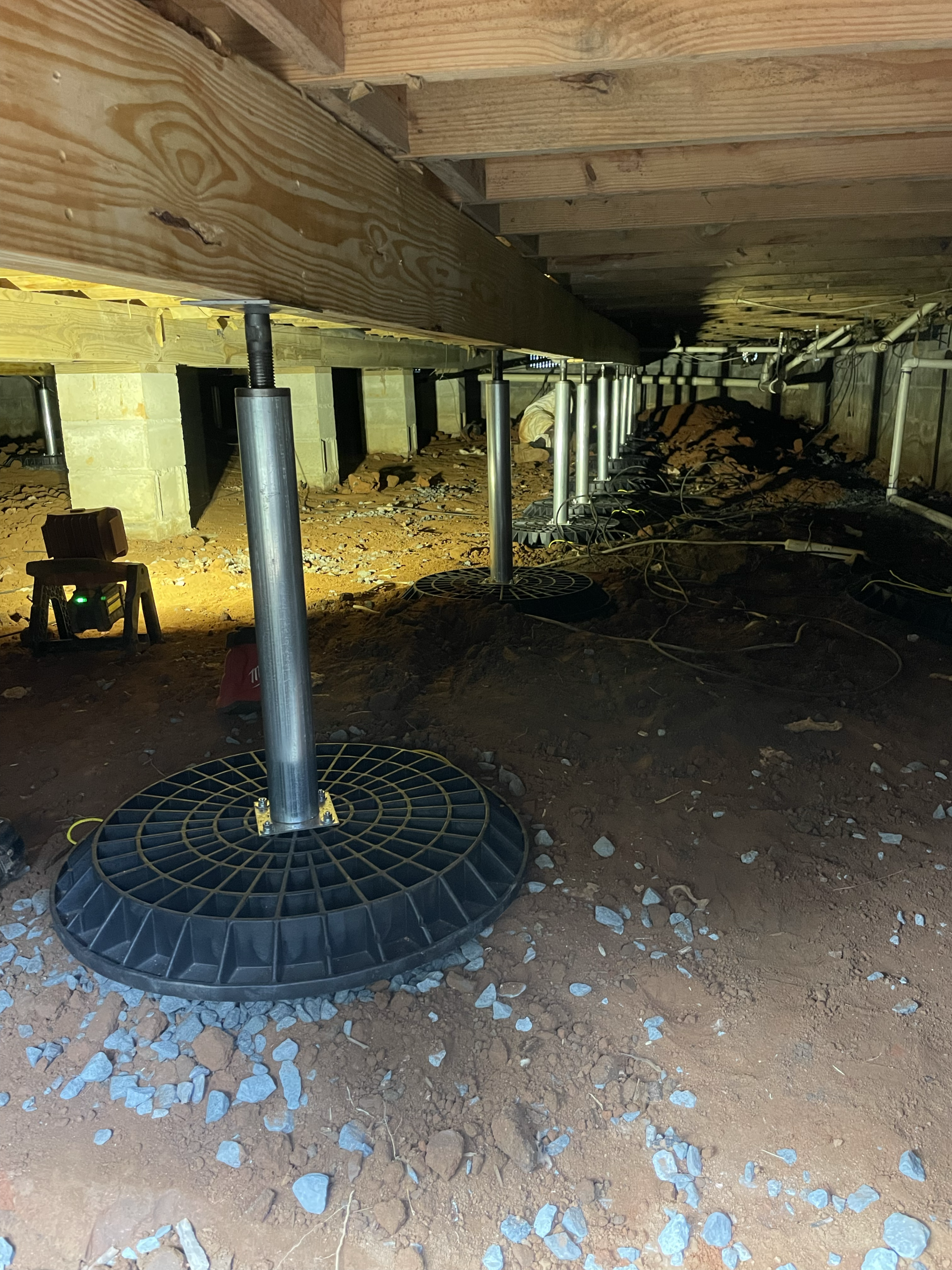
In these cases, the fix is usually adding the right supports, such as:
- Floor jacks installation
- Support posts under the house
- An added support beam / girder to shorten joist span and reduce bounce
This is often what people mean when they search:
- fix bouncy floors
- uneven floor repair
- sloping floor repair
- floor jacks near me
- support beam repair
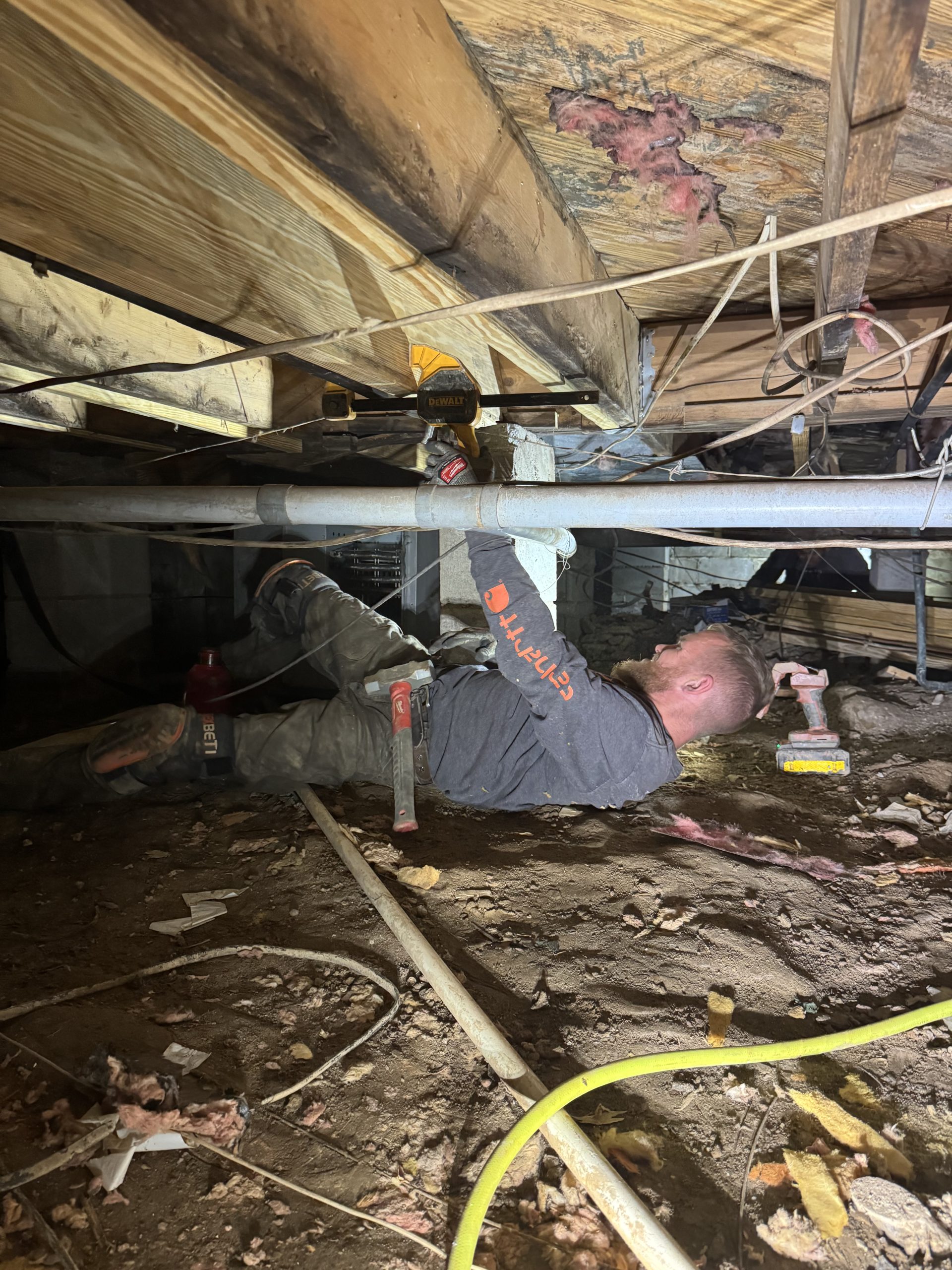
Sometimes the floor system is changing because the framing itself has lost strength due to:
- dry rot
- wet rot
- fungus growth
- termite damage
- water-damaged wood
When framing is compromised, the correct solution often includes repairing or replacing damaged wood, then reinforcing the floor system so it stays stable long-term.
Common searches this matches:
- dry rot repair under house
- termite damage repair under house
- rotted floor joists repair
- water damaged framing repair
- wood rot under house repair
The Right Fix Depends on What We Find
Here’s the simple breakdown:
- If the wood is sound: you likely need added supports (posts/jacks and sometimes a beam).
- If the wood is compromised: you likely need wood replacement/repair, then proper support.
Either way, the goal is the same: a floor that feels solid, stable, level, and consistent from room to room.
Bouncy, Sloping Floor Repair FAQs
Concentrated loads, long spans, or missing support points commonly show up near doorways, openings, and hallway lines.
It depends on scope, but many support and stabilization projects can be completed quickly once the plan is set.
No. Cosmetic repairs won’t stop movement. The floor system underneath must be stabilized first.
Support issues happen when framing is sound but under-supported. Damaged wood is often tied to moisture/rot/termite activity and needs replacement. We confirm during inspection.
Often, yes. Many floors can be stabilized from underneath with supports, joist reinforcement, or beam work without removing finished flooring.