

Warranty Backed
Structural Repair for Floors, Framing & Open-Concept Beams
There’s a moment when a home stops feeling “solid.”
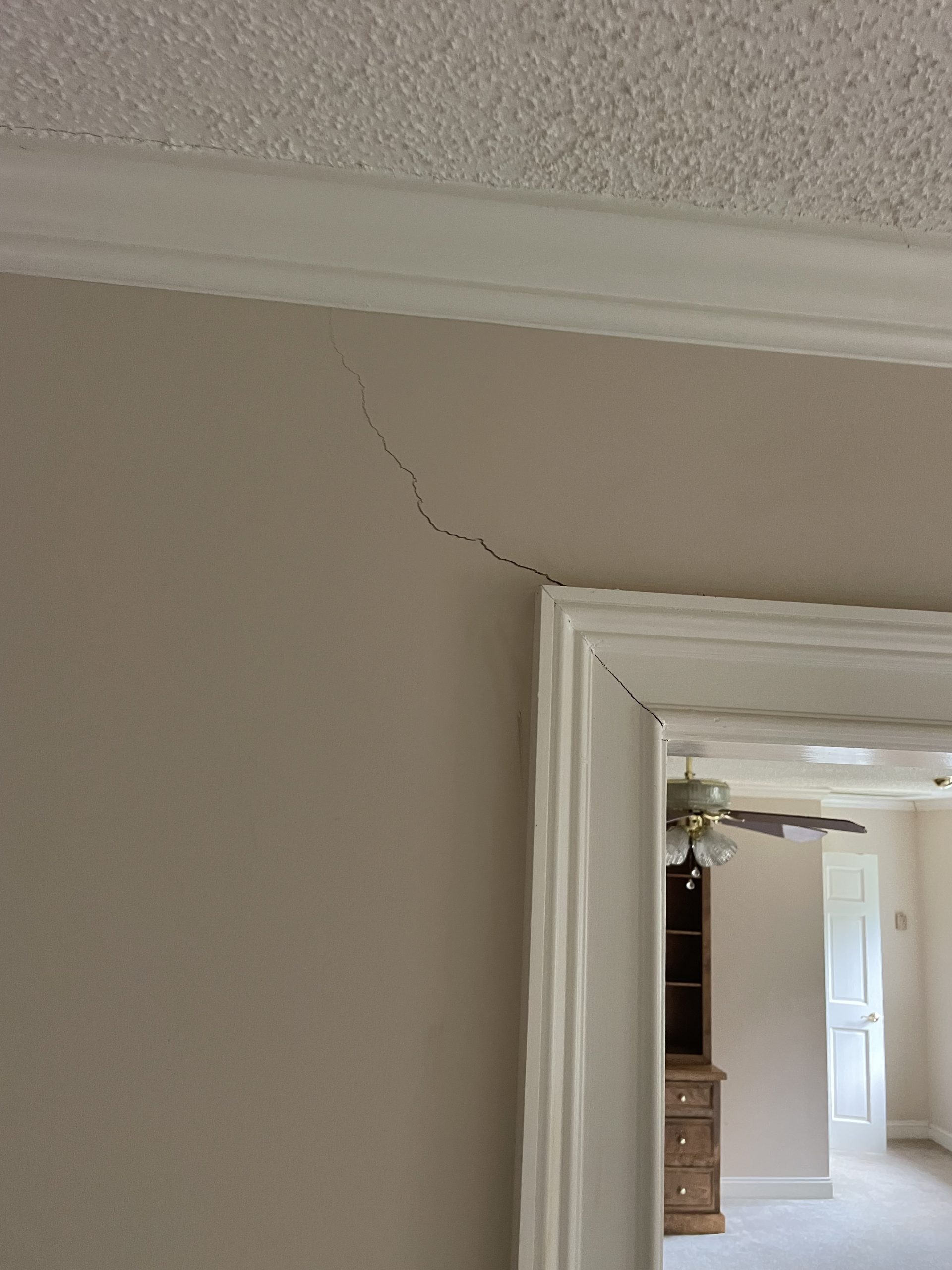
A floor bounces when you walk. A door starts catching. A hairline crack becomes a line you can’t ignore. Noticing these changes is exactly what protects a home from turning into a bigger project later.
We specialize in the structural work most contractors avoid: the framing, supports that restore confidence in the way your home feels.
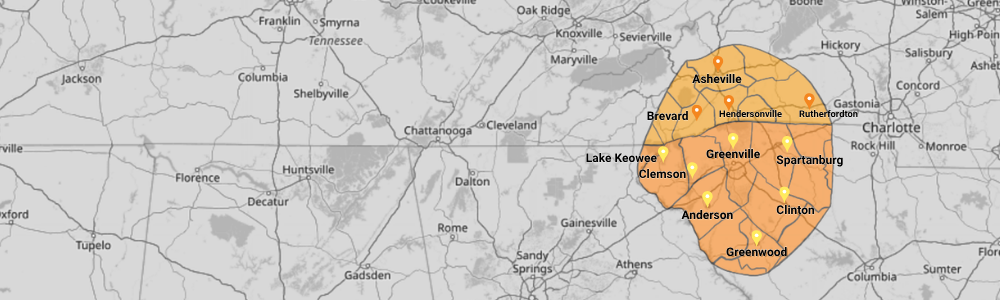
Serving Upstate South Carolina and surrounding areas, plus a large portion of Western North Carolina.
Warranty Backed
Basement Wall Repair & Wall Stabilization
At United Structural Repair, we stabilize basement walls with proven solutions, including wall anchors, wall bracing, and carbon fiber reinforcement, along with targeted crack repair strategies when appropriate.
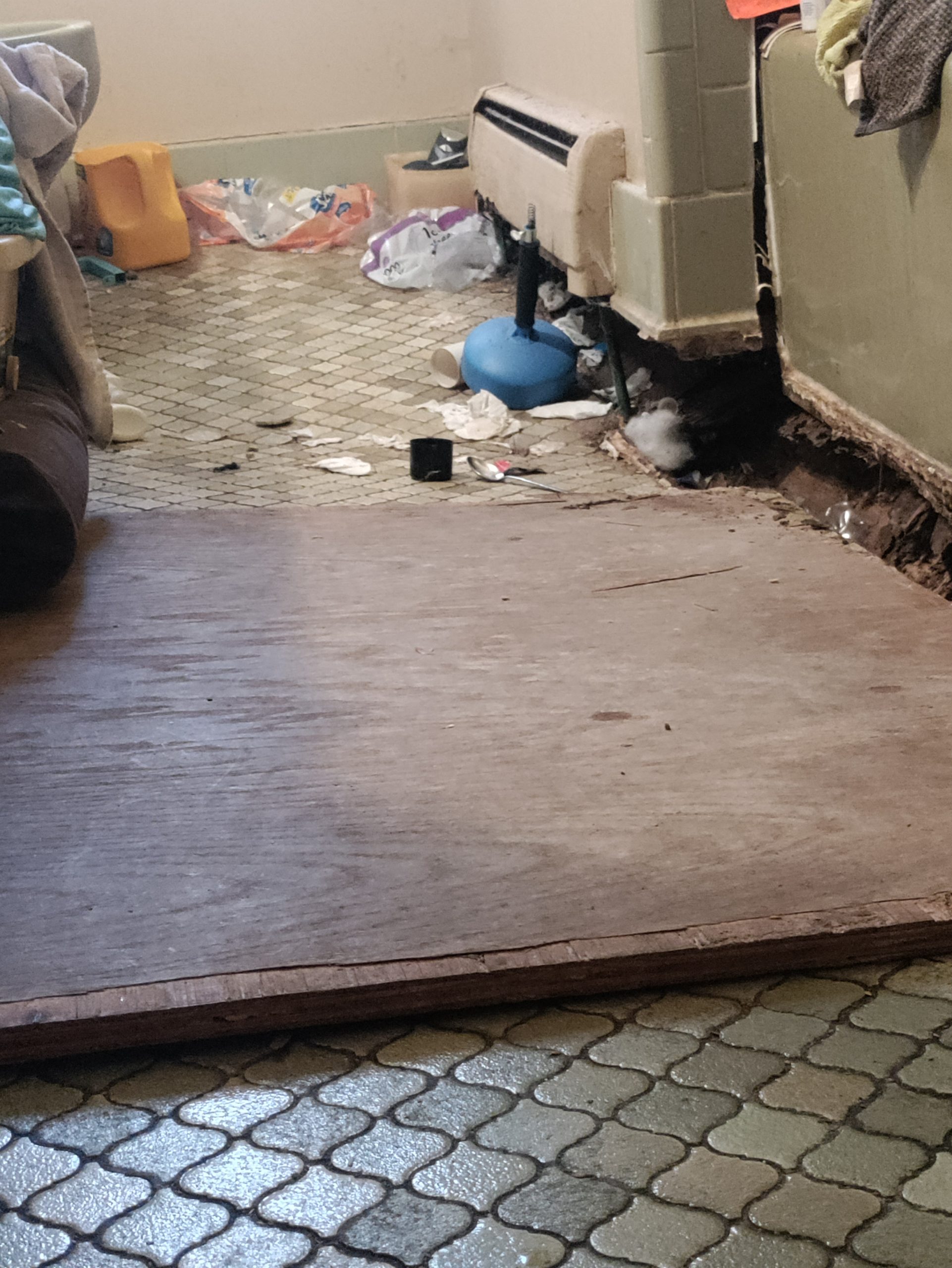
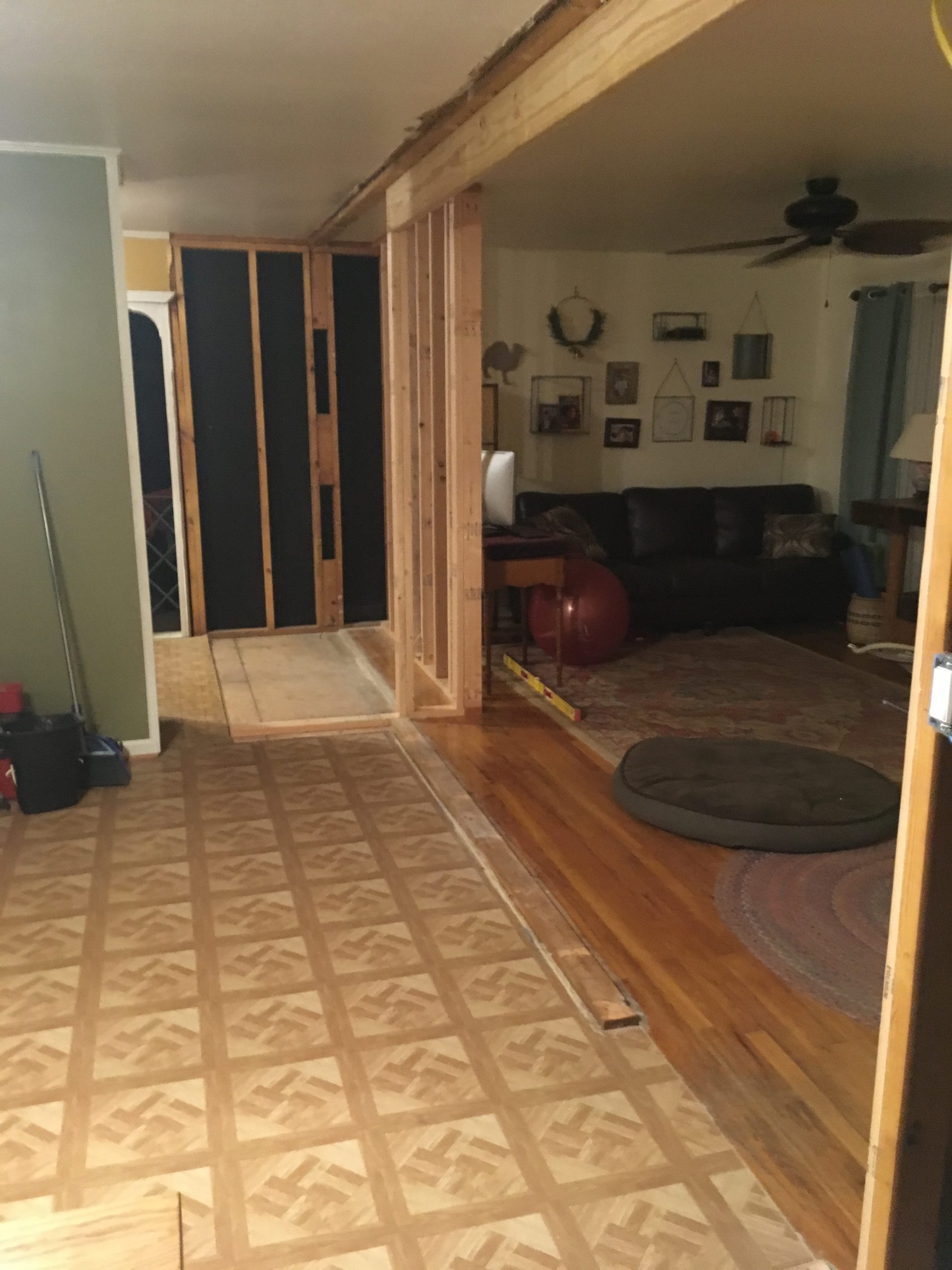
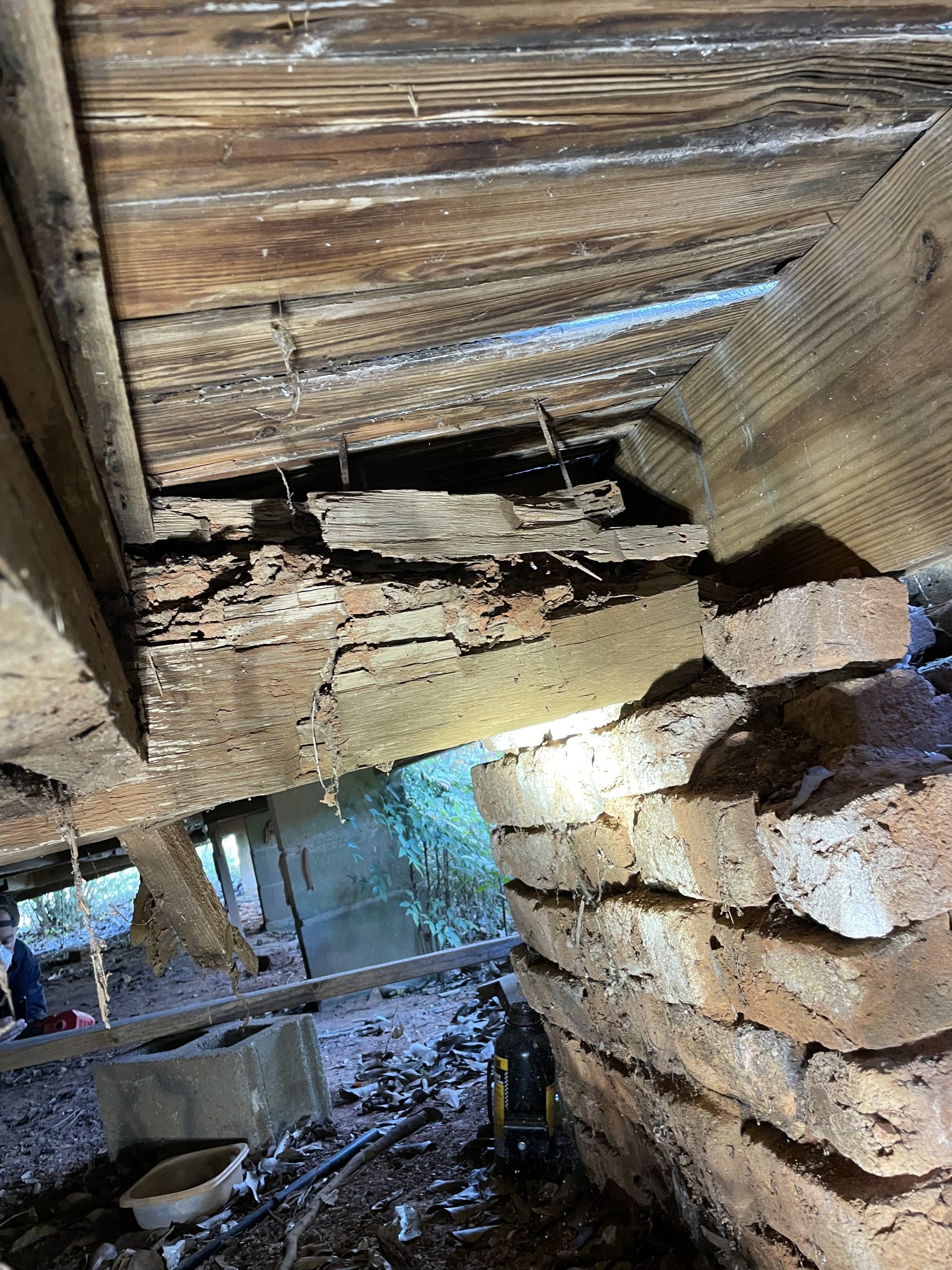
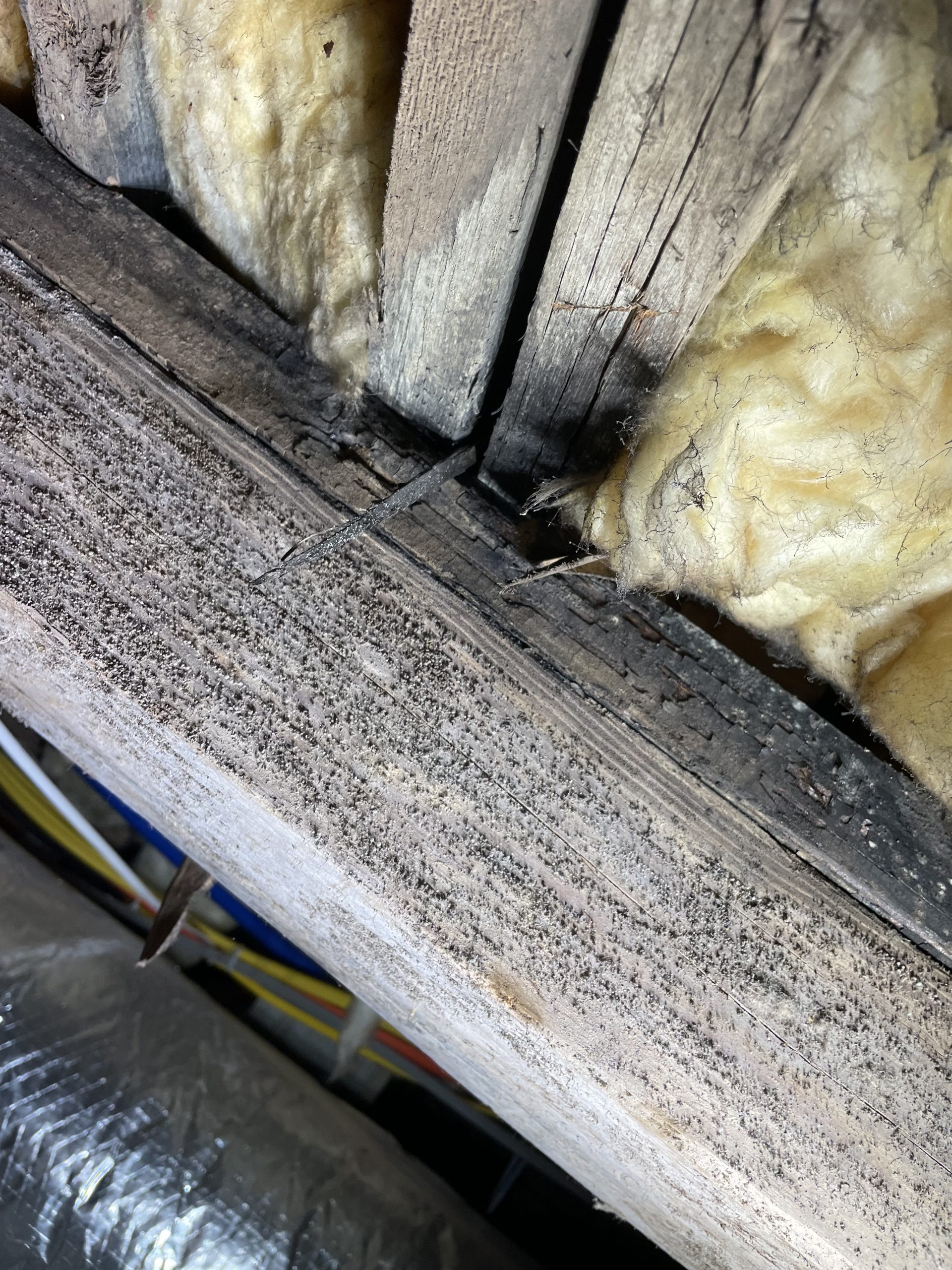
Our Repair Solutions
Our Structural Repair Process
Step 1 – Inspection & Measurements
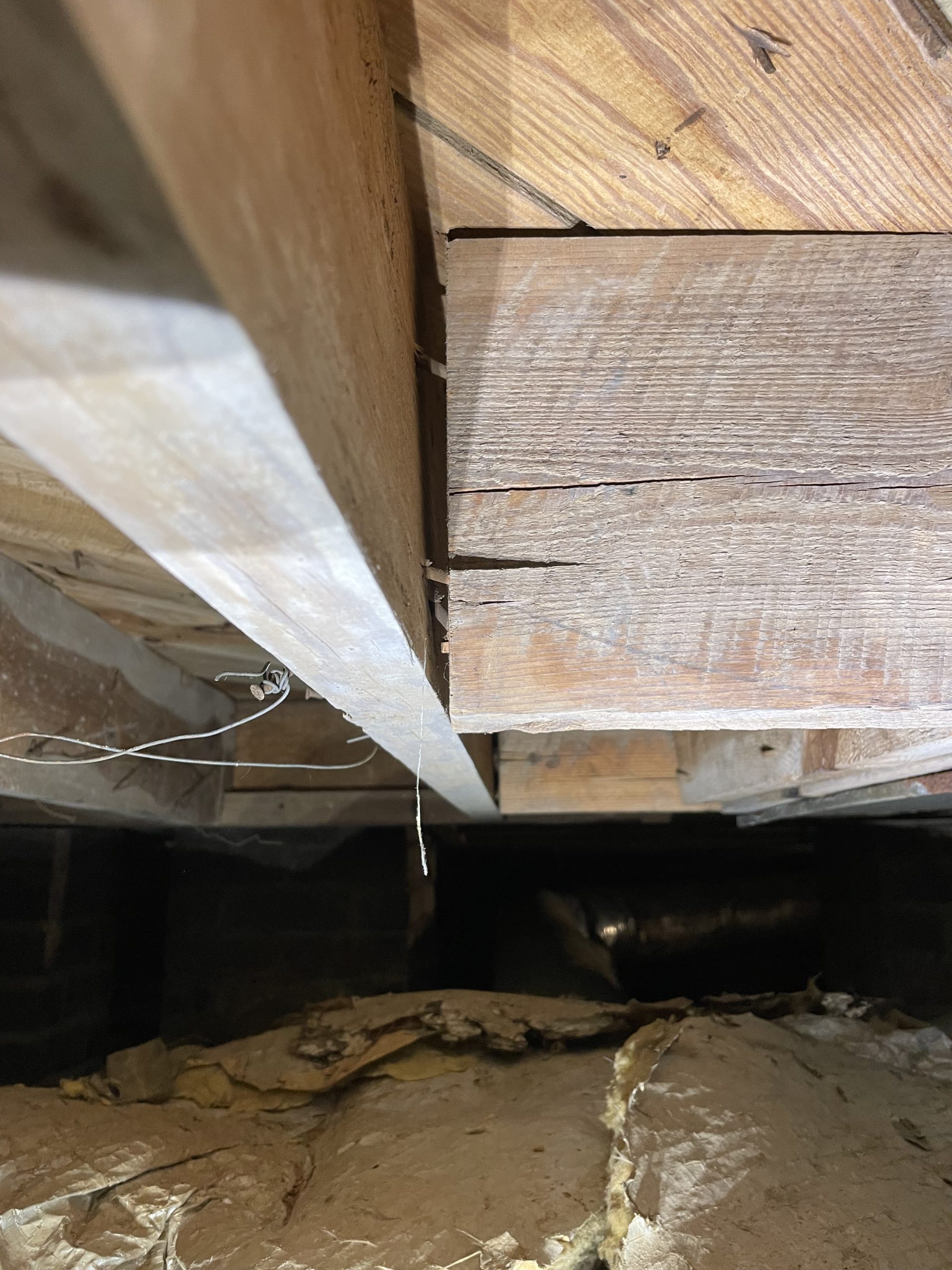
We examine the floor system, beams, supports, and any visible damage. We look for where support is missing, where loads concentrate, and why the problem is showing up where it is.
Step 2 – Clear Repair Plan
We explain what we found in plain language, outline the recommended fix, and give you expectations, what will improve, what won’t, and why.
Step 3 – Repair & Stabilize
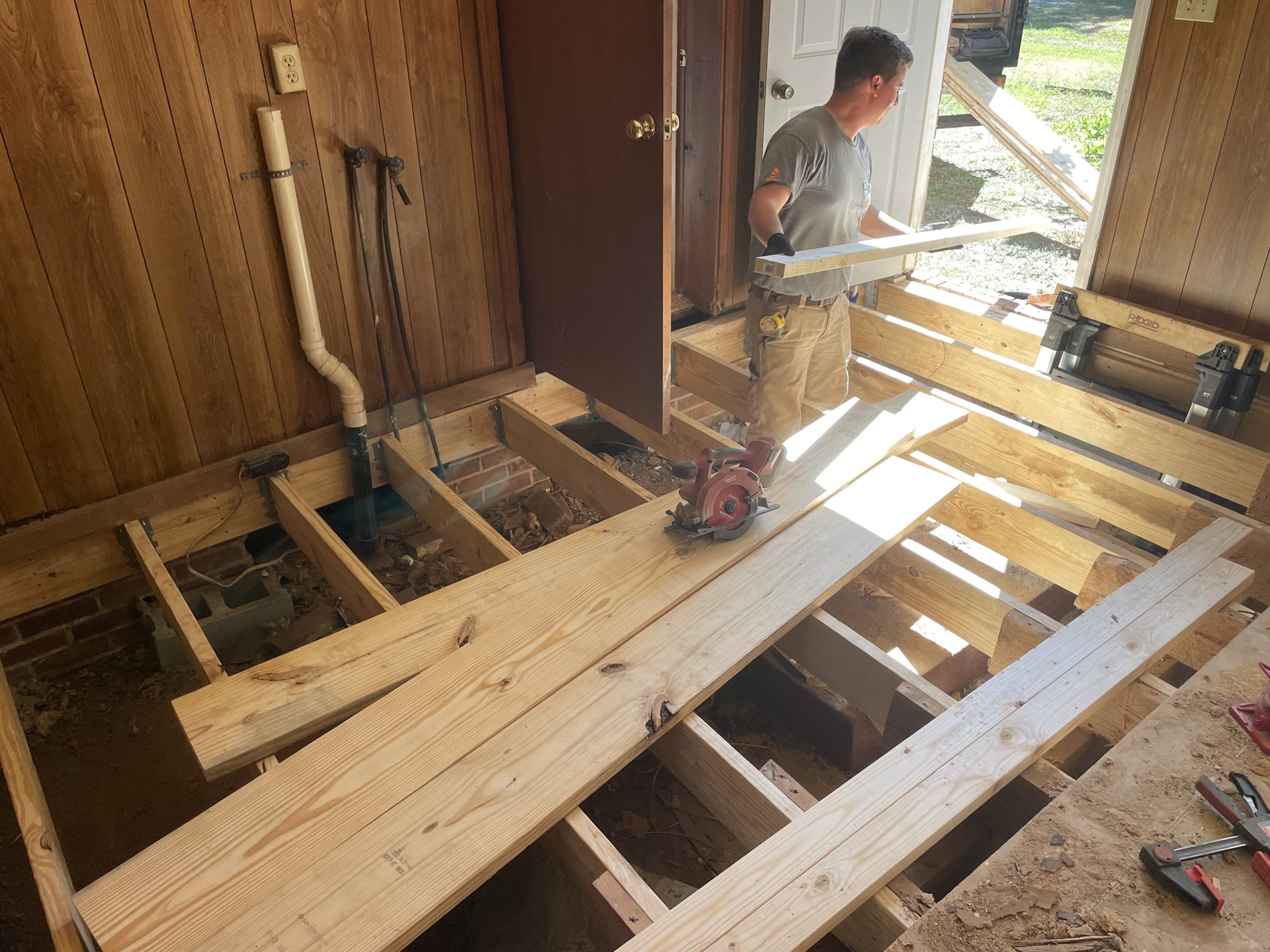
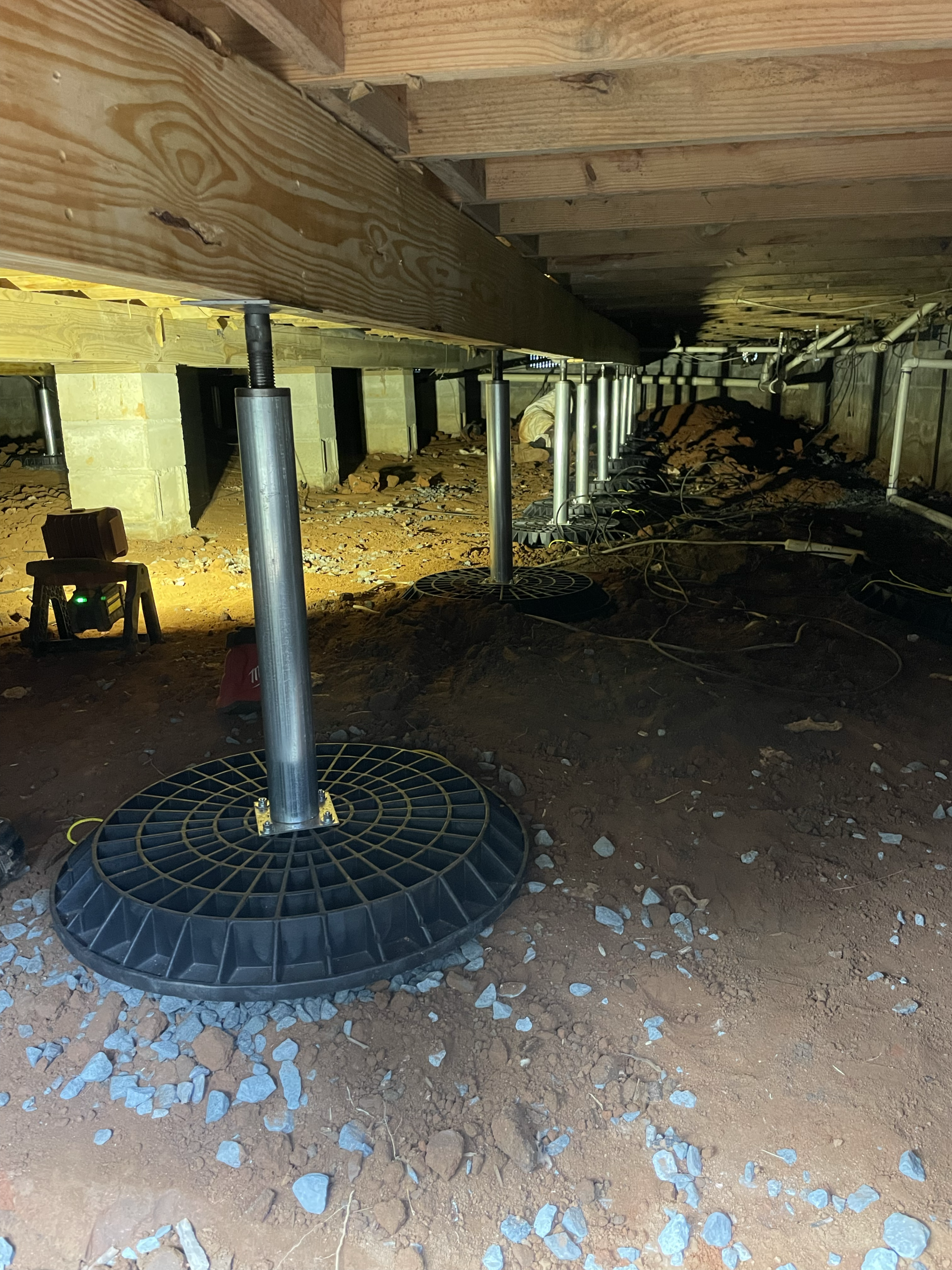
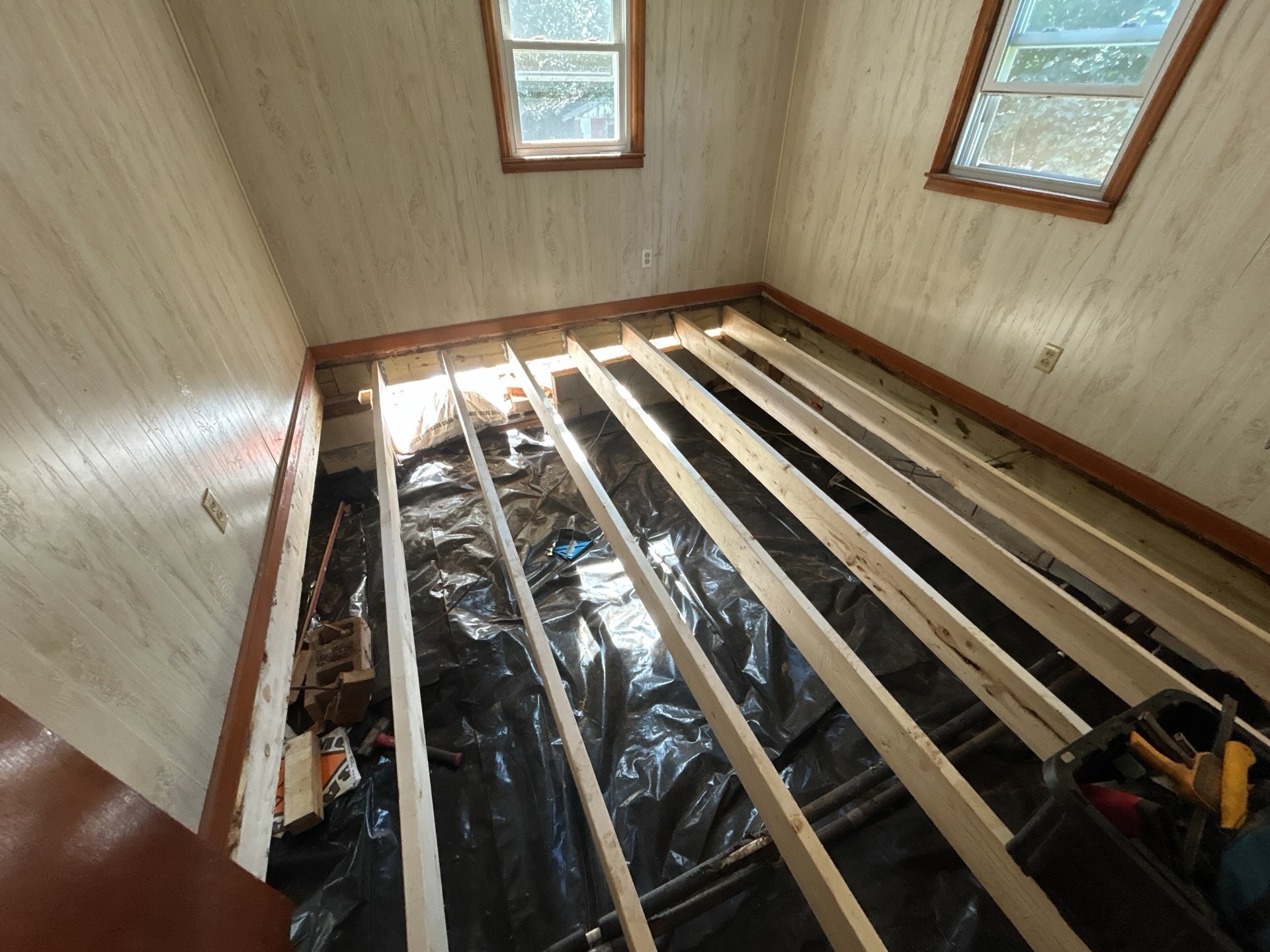
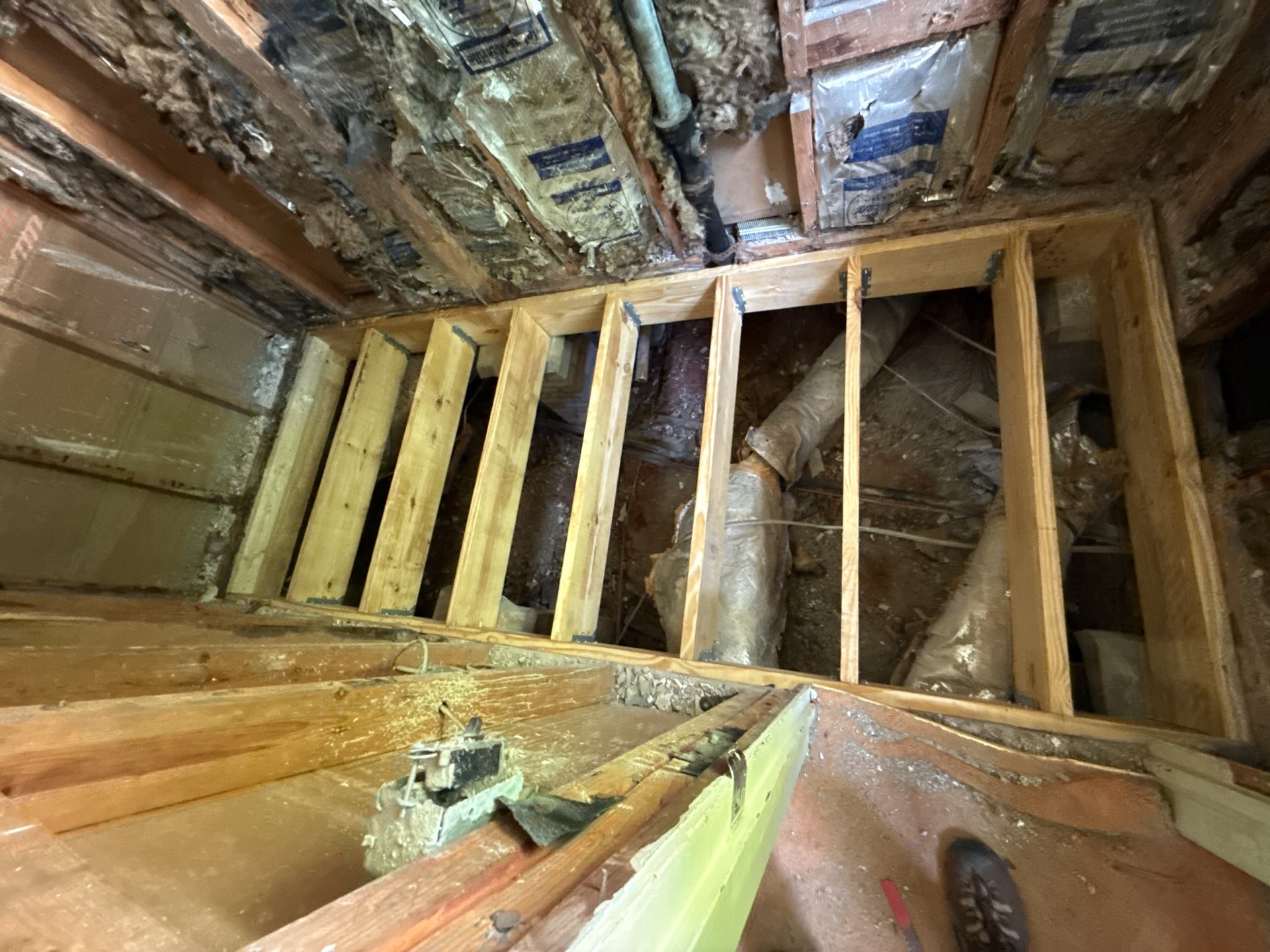
Repairs may include reinforcing joists, repairing subfloor sections, strengthening beams, replacing posts, installing floor jacks, or installing engineered beams/headers for structural changes. We keep the work area clean and leave the space secure.
Structural Repair FAQs
Timing depends on the scope of work. Some repairs can be completed quickly, while larger beam/support work or wall removal work may take longer. You’ll get a timeframe after inspection.
Yes, when it’s evaluated correctly and supported with the proper beam/header system. We assess the load path and install engineered beams and supports to carry weight safely.
Often, yes. Many floor issues can be corrected from below by reinforcing framing and improving support points. Each home is different, so we confirm the best option during inspection.
If the floor slopes, dips, bounces, or feels soft, especially if it has worsened over time, there’s usually something happening in the support system beneath it (joists, beams, subfloor, posts, or supports).